
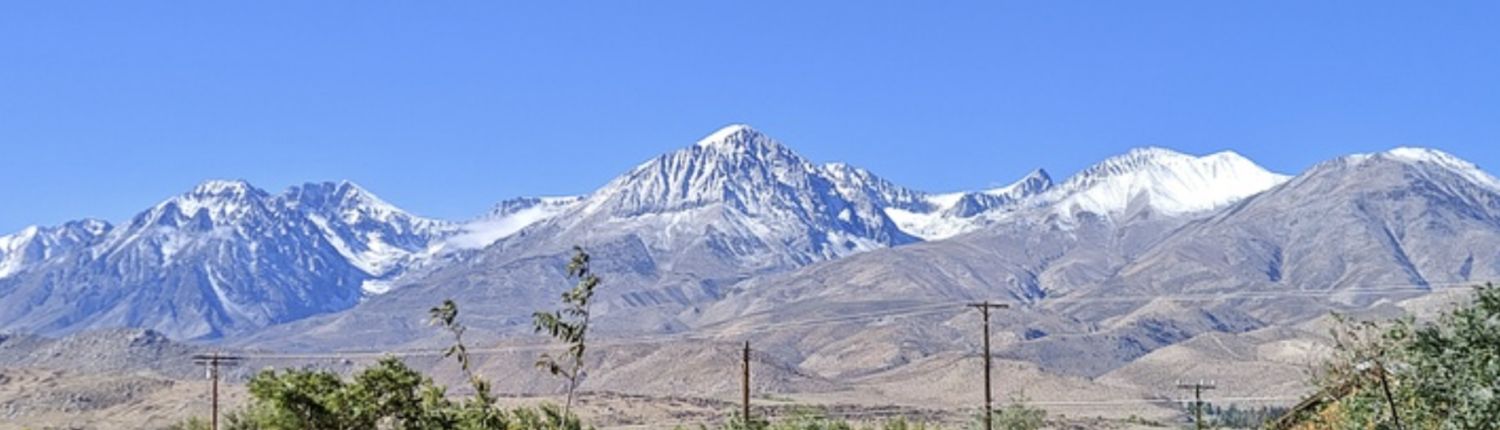
Feminist Environmental Futures explores how ecologies and environments are shaped, understood, and struggled for in relation to sex, gender, and sexuality. It also considers how ecological and environmental thought have deepened feminist and queer theories, practices, and organizing.
Over a five-year period, CSW|Streisand aims to develop this theme as a multi-faceted research program that brings together scholars, scientists, artists, organizers, and practitioners across disciplines to examine the intersections of environment, gender, and sexuality.
Some questions we are asking include:
- How are water, land, and labor are gendered, and how do they differentially and influence the lives of women, girls, and queer communities?
- How can climate change can be conceptualized through queer temporalities, kinship, and futurity?
- How are ecosystem degradation and restoration are entangled with histories of gender, sexuality, and colonialism?
Artists and scholars—such as Alexis Pauline Gumbs and Joanne Barker—have connected Black and Indigenous feminisms to marine life, water, and relationality. Indigenous epistemologies and posthumanist approaches further expand these inquiries by foregrounding kinship and reciprocity with more-than-human worlds.
From gendered and colonial constructions of wilderness and domesticity to feminist and queer narratives of place and care, such work demonstrates that ecological flourishing is inseparable from feminist and queer justice.
Environmental struggles worldwide—from Standing Rock to Flint, from the Rio Blanco to Compton—reveal how women, queer people, and communities of color have led transformative movements for environmental justice, health, and collective survival.
Methodologies and Collaboration
Understanding feminist and queer ecologies requires multidisciplinary inquiry and collaborative experimentation. This theme brings together:
- Environmental scientists, social scientists, and humanities scholars
- Artists, storytellers, and community organizers
- Practitioners of environmental justice, sustainability, and place-based knowledge
Participants engage diverse methods—scientific analysis, ethnography, storytelling, political theory, ecological modeling, and multimodal creation—to illuminate how gender, sexuality, race, and ecology shape one another.
Event Highlight
Feminist Environmental Futures Projects
- Gender & Water
- Scholars-in-Residence
- Thinking Gender 2026: Feminist and Queer Ecologies
- Environmental Justice Grant Fellows
- Fish Springs Oral History Project (forthcoming)
People
News
 https://csw.ucla.edu/wp-content/uploads/2026/01/Rachel-Vaughn_research.png
900
1200
Rosemary Grant
https://csw.ucla.edu/wp-content/uploads/2022/10/Blue-CSWBSC_combo-long-1030x356.png
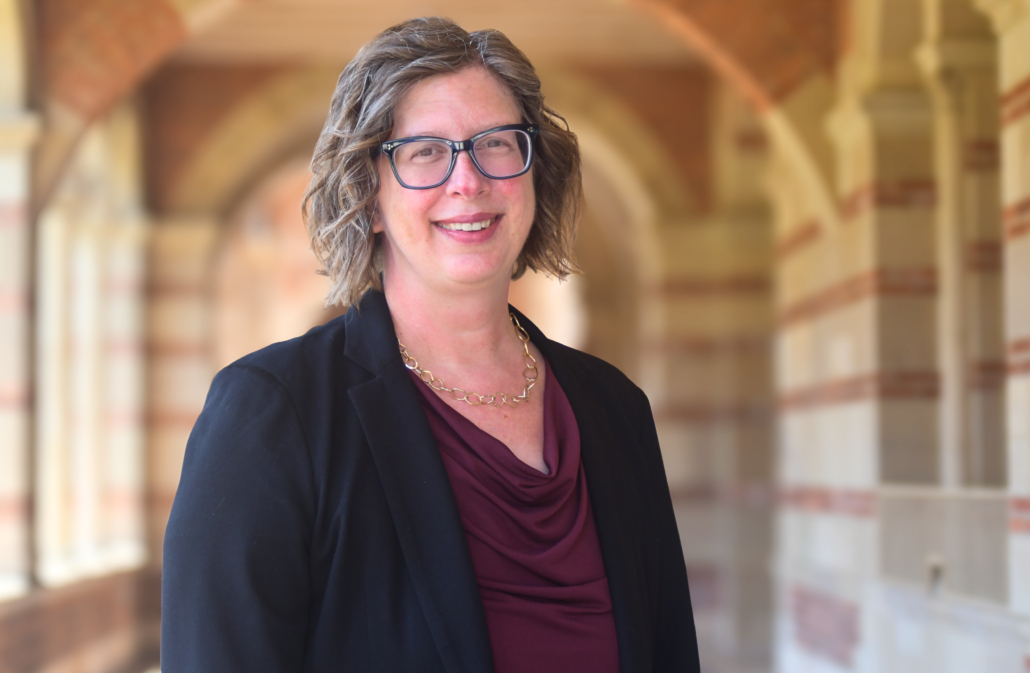
Rosemary Grant2026-01-20 10:48:492026-03-25 10:28:19AY 2025–2026 Barbra Streisand Fellows in Environmental Justice
https://csw.ucla.edu/wp-content/uploads/2026/01/Rachel-Vaughn_research.png
900
1200
Rosemary Grant
https://csw.ucla.edu/wp-content/uploads/2022/10/Blue-CSWBSC_combo-long-1030x356.png
Rosemary Grant2026-01-20 10:48:492026-03-25 10:28:19AY 2025–2026 Barbra Streisand Fellows in Environmental Justice https://csw.ucla.edu/wp-content/uploads/2025/09/Thinking-Gender-CFP-26.png
756
796
Rosemary Grant
https://csw.ucla.edu/wp-content/uploads/2022/10/Blue-CSWBSC_combo-long-1030x356.png
Rosemary Grant2025-10-26 10:40:372026-02-19 15:07:53Call for Proposals: Thinking Gender 2026 – Deadline Extended!
https://csw.ucla.edu/wp-content/uploads/2025/09/Thinking-Gender-CFP-26.png
756
796
Rosemary Grant
https://csw.ucla.edu/wp-content/uploads/2022/10/Blue-CSWBSC_combo-long-1030x356.png
Rosemary Grant2025-10-26 10:40:372026-02-19 15:07:53Call for Proposals: Thinking Gender 2026 – Deadline Extended!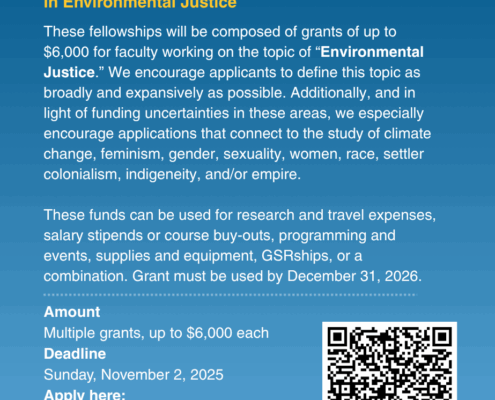 https://csw.ucla.edu/wp-content/uploads/2025/10/Call-for-Applications-Barbra-Streisand-Fellowships-in-Environmental-Justice-.png
1080
923
Rosemary Grant
https://csw.ucla.edu/wp-content/uploads/2022/10/Blue-CSWBSC_combo-long-1030x356.png
Rosemary Grant2025-10-01 11:43:142026-02-19 15:08:17Call for Applications: Barbra Streisand Fellowships in Environmental Justice
https://csw.ucla.edu/wp-content/uploads/2025/10/Call-for-Applications-Barbra-Streisand-Fellowships-in-Environmental-Justice-.png
1080
923
Rosemary Grant
https://csw.ucla.edu/wp-content/uploads/2022/10/Blue-CSWBSC_combo-long-1030x356.png
Rosemary Grant2025-10-01 11:43:142026-02-19 15:08:17Call for Applications: Barbra Streisand Fellowships in Environmental Justice