
How Special Circumstances Conviction Project Data is Reshaping our Understanding of Life Without Parole in California
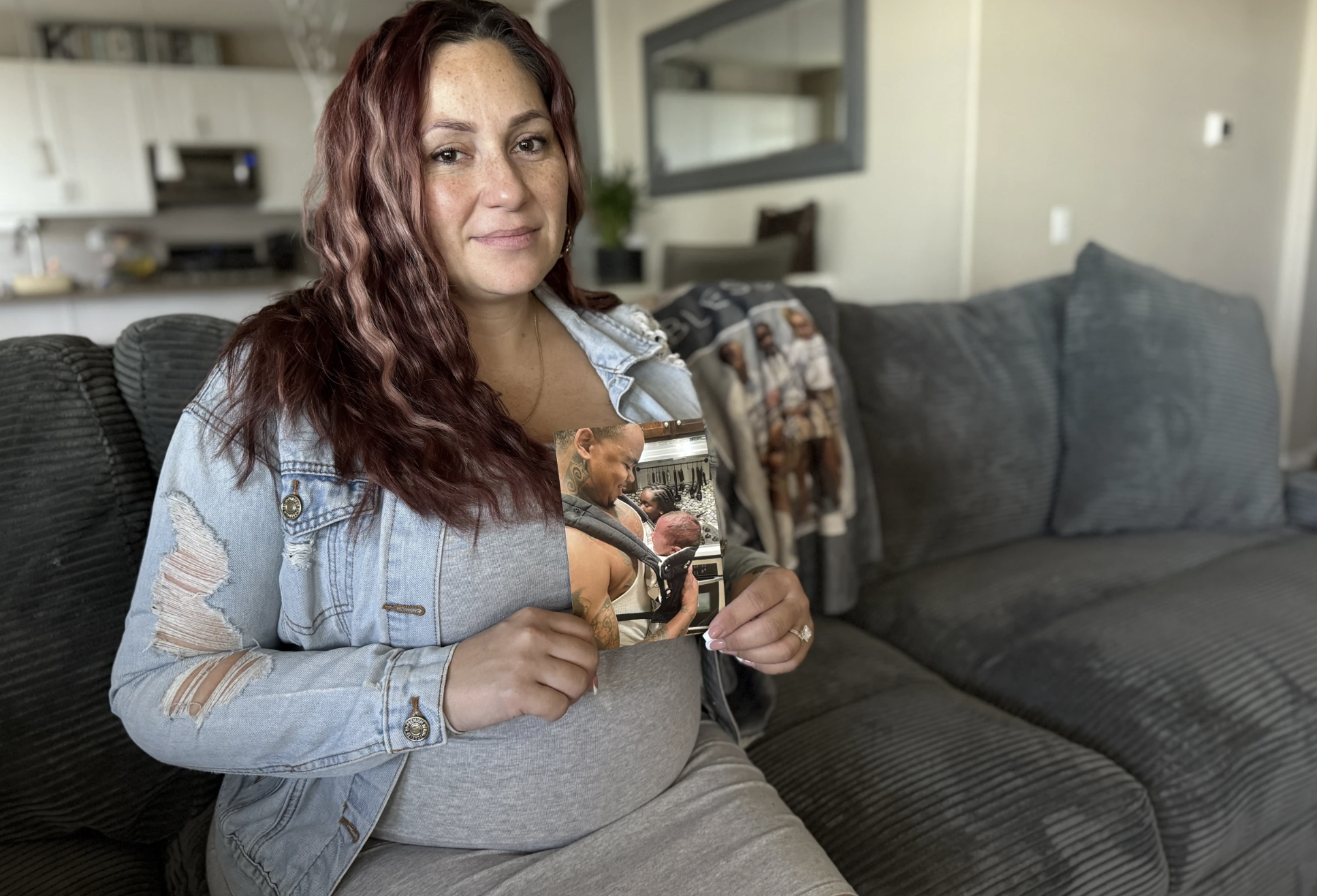
Britny Calloway holds a photograph of her husband, James Calloway, and their son in her home on Thursday, Jan. 15, 2026 | Photo by Charlotte Radulovich / KPBS
Read the full article on KBPS:”In San Diego, the racial divide in charges that can lead to life without parole has grown.”
UC Sentencing Project‘s Special Circumstances Conviction Project and its director Daniel Trautfield were recently featured in KBPS reporting on San Diego’s growing racial divide in charges leading to life without parole sentencing.
Special circumstances were introduced into California law in 1977 after the U.S. Supreme Court ruled that the death penalty and life-without-parole sentences were being imposed too arbitrarily. Lawmakers promised these punishments would be reserved for only the “worst of the worst.” But over time, voter initiatives repeatedly expanded the list. High-profile crimes—invoked in ballot guides with names like Charles Manson, the Zodiac Killer, and the Hillside Strangler—helped persuade voters to add more and more qualifying situations. By the mid-1990s, the list had grown to include dozens of scenarios, from killing a firefighter to poisoning, to firing a gun from a vehicle.
The result is a legal landscape in which most murder cases are now eligible for special circumstances. One analysis of nearly 2,000 cases found that 95% of first-degree murders—and more than half of second-degree murders and voluntary manslaughters—were eligible. What was once meant to be rare has become routine. For years, this system escaped meaningful scrutiny, in part because the data were so difficult to obtain.
“I thought our system would only give life without parole if the things that they had done were truly egregious,” said Trautfield. “There are about 5,000 people serving life without parole in California,” as well as far more than in neighboring states, and far more than in most Western countries. The United States, he notes, is one of the only Western nations that still uses this sentence at all.
Understanding how people end up with these sentences requires data—precise, case-level data that most district attorney offices do not make public. “District attorneys are essentially in control of what data is released,” Trautfield explained. “We have to rely on data provided by the D.A. to then address the D.A.’s history of racialized sentencing and charging.”
The Special Circumstances Conviction Project exists to make these patterns visible. By aggregating and analyzing records that are often fragmented, inaccessible, or inconsistently kept, the Project equips public defenders, advocates, researchers, and families with evidence to challenge a system that quietly determines who will ever have a chance to come home.