
AY 2025–2026 Barbra Streisand Fellows in Environmental Justice
The UCLA Center for the Study of Women|Barbra Streisand Center is proud to announce the AY25–26 Barbra Streisand Fellows in Environmental Justice.
Each year, the Barbra Streisand Center invites applications for fellowships supporting faculty research on a timely theme. This year’s focus on Environmental Justice encouraged applicants to define the topic broadly and expansively. In light of ongoing funding uncertainties in these areas, we especially welcomed projects engaging climate change, feminism, gender, sexuality, women, race, settler colonialism, indigeneity, and/or empire. Applicants were also encouraged to review this year’s call for our annual Thinking Gender graduate conference for possible questions for engagement.
The fellowships provide multiple grants of up to $6,000 each. Funds may be used for research and travel expenses, salary stipends or course buy-outs, programming and events, supplies and equipment, GSRships, or a combination thereof.
Congratulations to the AY25–26 Barbra Streisand Fellows in Environmental Justice:
Nikki Barry, School of Education & Information Studies
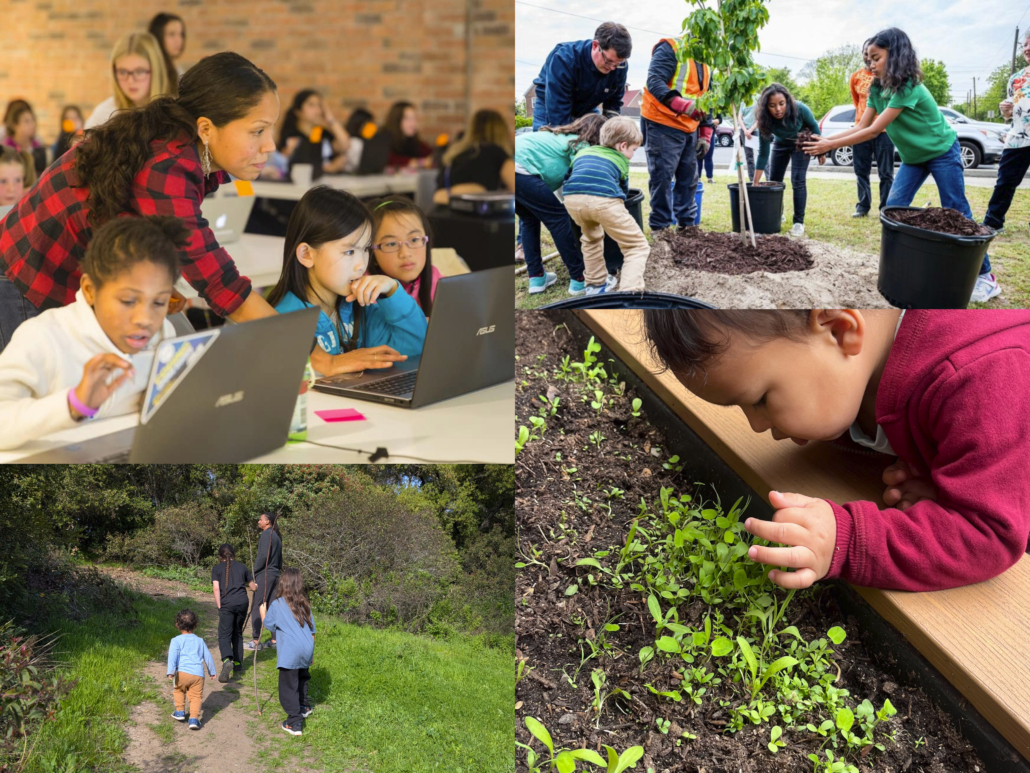
Nikki Barry (Shoshone-Bannock Tribes) is an Assistant Professor of Environmental Justice Education in the Department of Education at UCLA with an additional appointment in the Department of American Indian Studies. Nikki researches: (1) ways to support human relationships with lands and waters and (2) human reasoning and decision-making regarding environmental issues. Nikki earned her PhD in Learning Sciences from Northwestern University, her MA in Teaching from Pacific University, and her BS in Sociology from Northeastern University. She is also a parent of four and a former secondary school teacher.
Research: The way students learn to think and feel about climate science will, for generations to come, determine how we as a species respond to the climate threat – making teachers a critical linchpin in the fight against climate change. However, given the rightward drift of education policy, teachers face a host of challenges when teaching about climate change that are not well understood, especially in the current political landscape. Through interviews and survey data with teachers in two politically conservative regions, this study will (1) build knowledge about the multiplicity of ways teachers think and teach about climate change – particularly as they navigate shifting education policies, (2) provide an evidence-base to educators, researchers, and policymakers seeking solutions to a changing climate via education initiatives, and (3) serve as a starting point for a larger longitudinal study to understand if/how these teachers’ climate thinking and pedagogy changes over time.
Pamela Yeh, Institute of the Environment and Sustainability
Pamela Yeh is an evolutionary biologist and studies how human activities affect the evolution of species, focusing on the evolution of birds in urban environments and the evolution of drug-resistant bacteria. She is particularly interested in how multiple stressors interact to affect the ecological and evolutionary trajectories of populations. She received her BA in Biology from Harvard University, her PhD in Evolutionary Biology from University of California at San Diego, and conducted post-doctoral work at Harvard University and Harvard Medical School. She has been at UCLA since 2013.
Research: Human activity and disturbance is interconnected with the ecology of animals, especially those in urban areas. Uneven distribution of resources among humans and naturally occurring environmental variation creates heterogeneous urban environments. Thus, different cities may pose varying selection pressures on wildlife. For instance, Rock Pigeons are more afflicted with foot entanglement from string and hair in city blocks with more air and noise pollution. Urban animals may undergo adaptive evolution to cope with environmental challenges. Bridge- dwelling swallows evolved shorter wings to dodge cars and human-commensal House Sparrows acquired genes for digesting starchy foods. Urban environments may have varying impacts on different populations, either facilitating or inhibiting gene flow. Within 30 years of colonization, urban San Diego Dark-eyed Juncos (Junco hyemalis) became a distinct population with genetic differentiation comparable to subspecies separated for thousands of years. In contrast, Rock Pigeons display high gene flow across cities in the eastern United States. More research is warranted to understand evolutionary responses to heterogeneous urban environments. Despite calls for incorporating museum specimens, no prior study in urban evolution research has used hDNA.
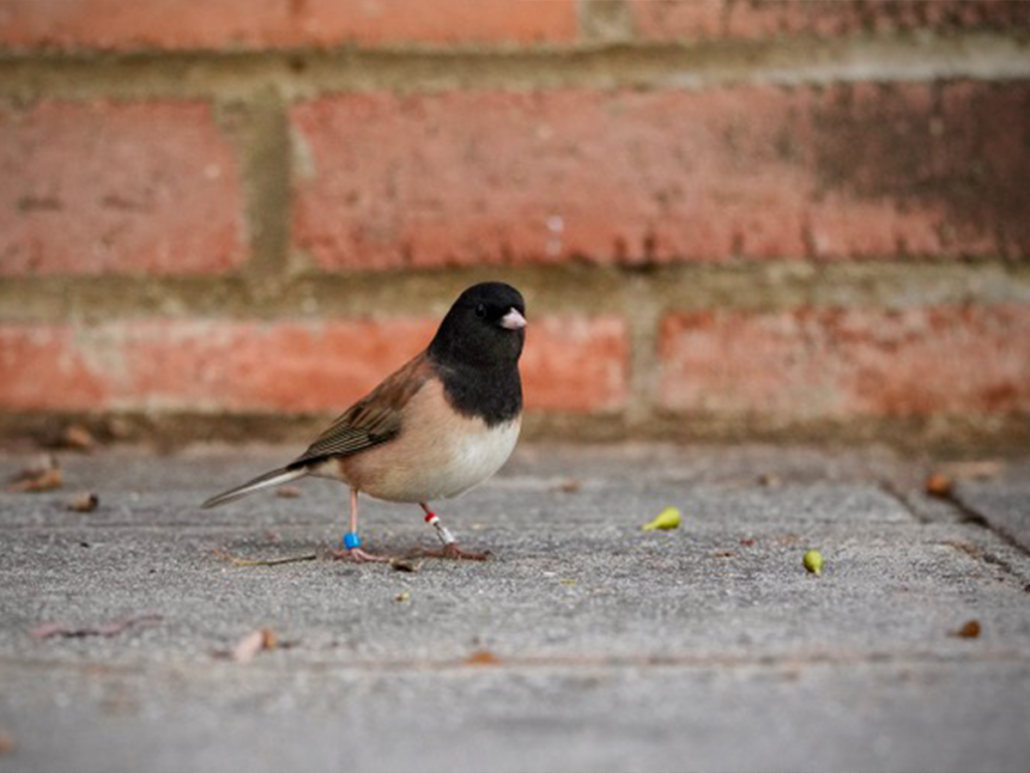
The Dark-eyed Junco is an ideal study species to understand genetic and adaptive responses to urbanization using hDNA. Many populations have convergently evolved in cities, creating natural replicates. Two subspecies of junco in California inhabit urban coastal cities: J. h. thurberi and J. h. pinosus. Modern urban San Diego displayed genes for better high-frequency hearing and heavy metal tolerance in comparison to a nearby thurberi montane population. Additionally, thurberi populations vary in morphology and behavior in different urban and native habitats across southern California. As many populations of juncos have independently evolved in urban environments, they may display different genomic alterations. We aim to understand how urbanization alters genomes by assessing (1) demographic history and genetic connectivity of populations and (2) differences in environmentally linked loci between populations in comparison with environmental factors and rate of environmental change. We will compare historical and modern DNA from pinosus and thurberi juncos at four urban sites (Pasadena, Pacific Grove, Santa Cruz, and Berkeley) and two wildland sites (San Jacinto Mountains and Big Sur). This study will enable us to understand how environmental variation and disparities between urban areas influence the emergence of genetic adaptations and the trajectory of urban wildlife evolution. With bird populations in decline, the success of juncos in urban centers provides an important model to understand how anthropogenic changes affect avian evolution.
Caption: Dark-eyed Junco on the UCLA campus. Photo credit: Sierra Glassman
Bharat Venkat, Department of Anthropology
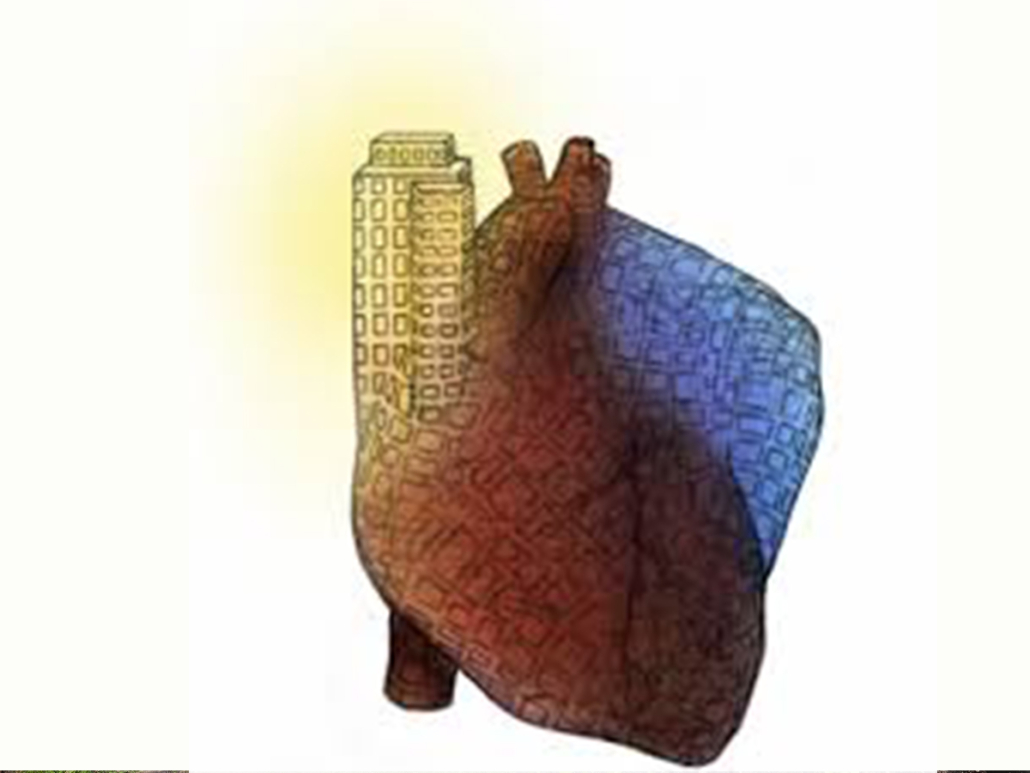
Bharat Venkat is associate professor at the UCLA Institute for Society and Genetics who has joint appointments in the departments of history and anthropology. He is also the founding director of the UCLA Heat Lab. Venkat uses an interdisciplinary approach to studying thermal inequality — the unequal distribution of the negative effects of heat, which often occurs along the lines of existing forms of inequality like race, class and disability. He is the recipient of National Science Foundation Career Award for research on thermal inequality in India. Venkat’s award-winning book “At the Limits of Cure” explores the history of tuberculosis treatment and antibiotic resistance.
Research: This research project examines the widely accepted link between rising temperatures and increased violence, not by testing whether the relationship exists, but by investigating how and why it came to be understood as true. Jayram Venkat and his team argue that the idea of heat causing violence is not neutral or purely scientific; rather, it has deep historical roots in racialized thinking, colonial science, and political responses to social unrest. While earlier forms of climatic determinism framed people in hotter regions—often non-white populations—as lazy or inactive, this shifted in the mid-20th century, particularly during anti-colonial movements and the U.S. Civil Rights era, when heat began to be associated with aggression and criminality. The project suggests that this shift helped depoliticize acts of resistance by framing them as biological reactions to temperature rather than responses to systemic injustice.
Through historical analysis, literature review, and policy research, the project traces how the “heat-violence” thesis developed and became embedded in scientific discourse and governance. It pays particular attention to key moments like the 1967 uprisings and subsequent scholarship that framed heat as a causal factor in unrest. Ultimately, the researchers aim to challenge simplistic or deterministic interpretations of climate and behavior, warning that such frameworks can justify increased surveillance and policing of marginalized communities. Instead, they advocate for more historically informed and socially just climate policies that address structural inequalities without reinforcing racialized assumptions about violence.
Rachel Vaughn, Institute for Society and Genetics
Rachel Vaughn is a Continuing Lecturer in the UCLA Institute for Society & Genetics. She is co-organizer of the Coronavirus Multispecies Reading Group (2020-23); 2018-19 Oral Historian-in-Residence and 2016-2018 post-doctoral fellow in the UCLA Center for Study of Women’s Food, Water, Shelter and Chemical Entanglements research initiatives. Vaughn holds a PhD in American Studies from the University of Kansas. Her research and publications address food access, waste and systems of management, redistribution and uneven health impacts at the intersections of Food and Discard Studies, Feminist Science & Technology Studies.
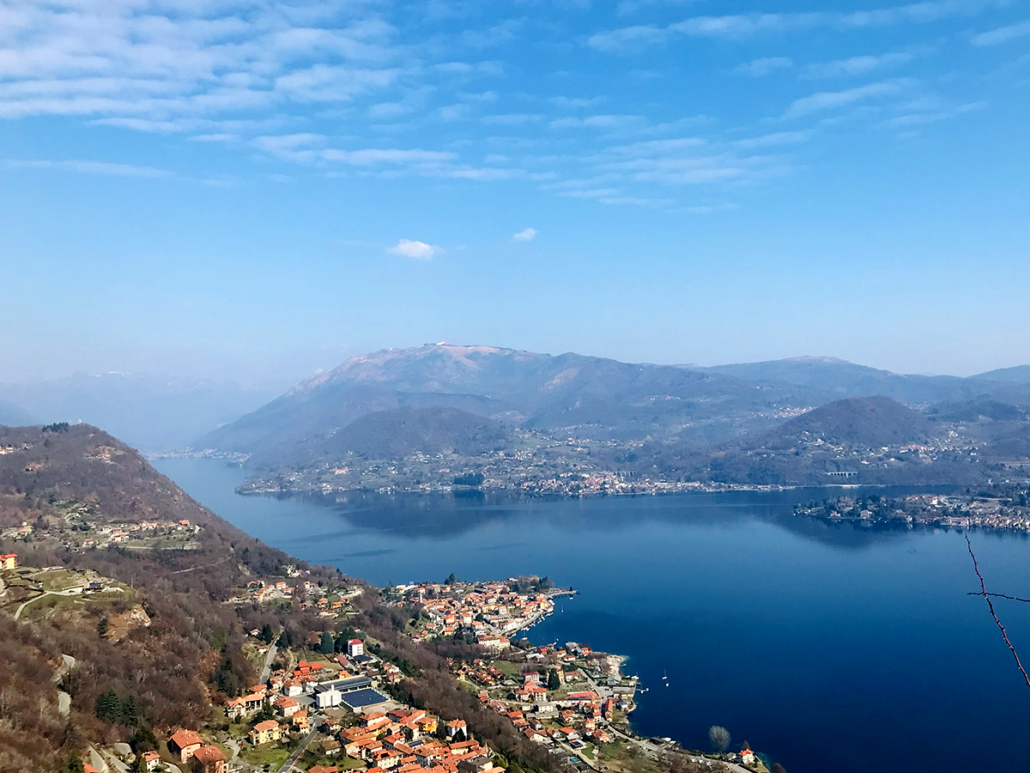
Research: This project takes up the complex and documented toxic history of one sub-alpine lake ecosystem in Northern Italy due to pollution from war-era investments in synthetic rayon beginning in the 1920s (ammonium-sulfate and copper), and the impacts of intensive industrial faucet production through the 1970s (copper, chromium, nickel, zinc, lead). This research and subsequent article on waste politics and the crucial and complex role of science offers close analysis of more than 50 years of scientific literature, as well as digital and material archives (1926-2025) concerning the lake’s early industrial pollution, and then hard-earned remediation in the late 1980s, as a bioremediation case study. As a waste scholar, Vaughn interested in how the scientific community has historically documented, defined, or championed successful environmental repair of this ecosystem; how it has made sense of the lag of impact in pollution evolution over time; and ultimately, in theorizing what might be gained from noticing, rather than forgetting, the “trouble” of everyday chemical impacts? This article-in-progress and broader oral history project with scientists and laborers working in and around the lake, inquire after a critical environmental concern for our times—what is bioremediation and is it achievable? How is it defined and by whom? When bioremediation is framed as successful, according to what scientific or cultural standards of measurement is that success documented? Does remediation reflect a multispecies justice in the long duree` of its proclaimed achievement?
Ellen Scott, School of Theater, Film and Television
Ellen C. Scott is Associate Professor in FTVDM. Her work explores Black thought, labor, and writing across film history. Her first book Cinema Civil Rights (Rutgers UP, 2015) exposes the Classical Hollywood-era studio systems’ and state censors’ careful repression of civil rights images, concluding with Black activists’ repurposing of Hollywood’s latent imagery into resistant spectatorship. An Academy scholar, her current book projects explore 1) Black women’s critical writing on cinema from 1896-1981, when the first Black women made feature films, 2) the history of slavery’s intersections with American film history.
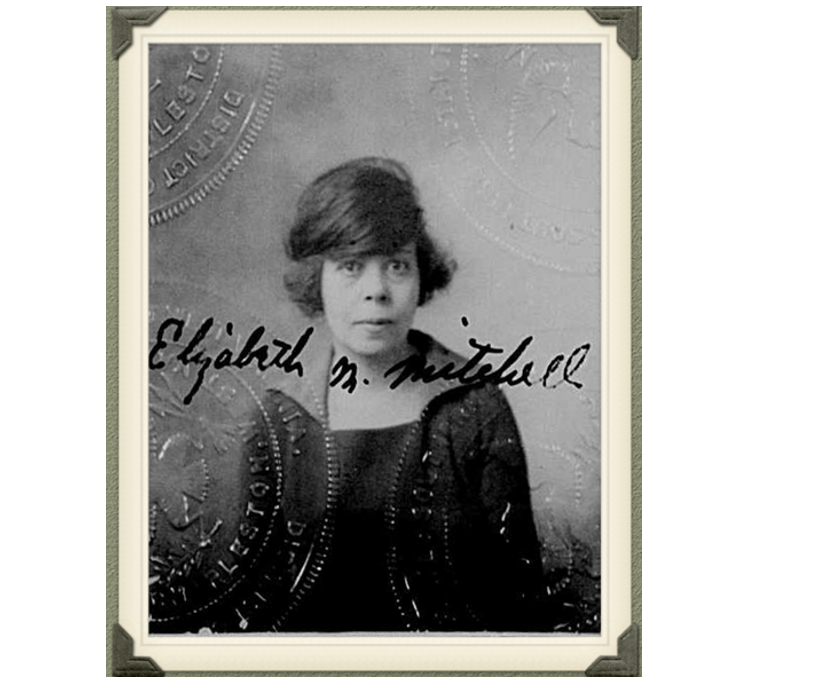
Research: Woman with a Movie Camera: A film: Scott’s project is a film exploring and reconstituting the films of Elizabeth Mitchell, the earliest known U.S. Black woman documentarian, documentary cinematographer, and one of the very earliest Black diasporic filmmakers. While there are records of the contents of her films, the films are not, as far as we know, extant. Mitchell, who has never before been written about, aimed to create a transnational exchange in Black images across the Atlantic. She journeyed to Africa and what she called “Black Europe” in 1920 to make a film that she finished the same year and distributed herself in the US. During the US tour of her film, she shot more footage, preparing it for foreign distribution. Importantly Mitchell’s film work essentially centered in a theory and history of land, water, and environment that sought to unite the groundedness of the places she experienced through travel with a politics of geography that was sustainable. She documented sites ravaged by war and the eco-violence of colonialism in Africa, Black France, and the US. Also, however, countering the entwined forces of environmental racism and Black stereotype, Mitchell engaged with maritime cultures of the Black Atlantic and Mediterranean, seeking to find and connect spaces and sites of Black freedom through a global exchange of cinematic images between North Africa, Black Europe (Italy and France particularly) and the United States.

Angela Robinson, School of Theater, Film and Television
Angela L. Robinson is an anti-colonial Chuukese scholar who specializes in Indigenous feminisms, sciences, and ontologies, Native Pacific performance and aesthetics, interrelations of the human and more-than-human, and global social movements for environmental and climate justice. Robinson’s research agenda takes up three primary concerns: how colonial and imperial relations of power are circulated, replicated, and naturalized through time and space; what kinds of critical tensions and possibilities arise by reading Indigenous performance and cultural production as politically mediated texts; and, how Indigenous peoples practice and theorize justice and self-determination in robust and expansive ways. Her book project, provisionally titled Colonial Climates: Indigenous Futures Beyond the Human, addresses these issues by examining how climate change functions as a colonial regime for Indigenous peoples by furthering land dispossession, resource depletion, cultural loss, and impoverishment. Highlighting the ways in which climate change operates as an incredible affective and material force of colonial power, this project tracks the human in both manifestations of anthropocentric colonial Enlightenment thought and anthropogenic environmental degradation. At the same time, Robinson examines how Indigenous ontologies of intercorporeality between humans and non-humans, as expressed in Indigenous Pacific environmental activism, performance, and other cultural production, pinpoint crucial forms of sociality that are vital to addressing climate change and its effects.
Research: Colonial Climates: Indigenous Futures Beyond the Human: This project examines how climate change functions as both a material and emotional extension of colonial power, particularly through Western, human-centered (anthropocentric) frameworks that have contributed to environmental degradation. The project argues that Indigenous ontologies—especially those emphasizing more-than-human relationality—offer critical alternatives for understanding and addressing the climate crisis. Drawing on interdisciplinary methods across Environmental Studies, Indigenous Studies, and Performance Studies, the book analyzes topics such as climate denialism, biopolitics, and adaptation technologies alongside Indigenous cultural production and activist performance, highlighting how these practices challenge colonial definitions of the human and imagine more relational, sustainable futures.
Focusing on Oceania—and especially Micronesia—the project centers regions that contribute minimally to global emissions yet face some of the most severe climate impacts. Through ethnographic research and oral histories in Chuuk, as well as engagement with organizations like the Center for Island Sustainability and the Micronesia Climate Change Alliance in Guam, the research documents how Indigenous communities are experiencing and responding to climate change in everyday life. It emphasizes that, contrary to dominant narratives of vulnerability, Indigenous ecological knowledge and cultural practices are actively shaping innovative, locally grounded climate solutions, offering vital models for resilience and environmental justice.
Regan Patterson, Civil and Environmental Engineering
Regan F. Patterson is an Assistant Professor of Civil and Environmental Engineering at UCLA and the Principal Investigator of the Engineering Environmental Justice Lab. She was previously the Transportation Equity Research Fellow for the Congressional Black Caucus Foundation and a postdoctoral research fellow at the University of Michigan Institute for Social Research. Dr. Patterson earned her Ph.D. in Environmental Engineering from UC Berkeley. Her research focuses on air quality, sustainable transportation, and environmental justice, with an emphasis on community-engaged approaches to addressing pollution exposure disparities.
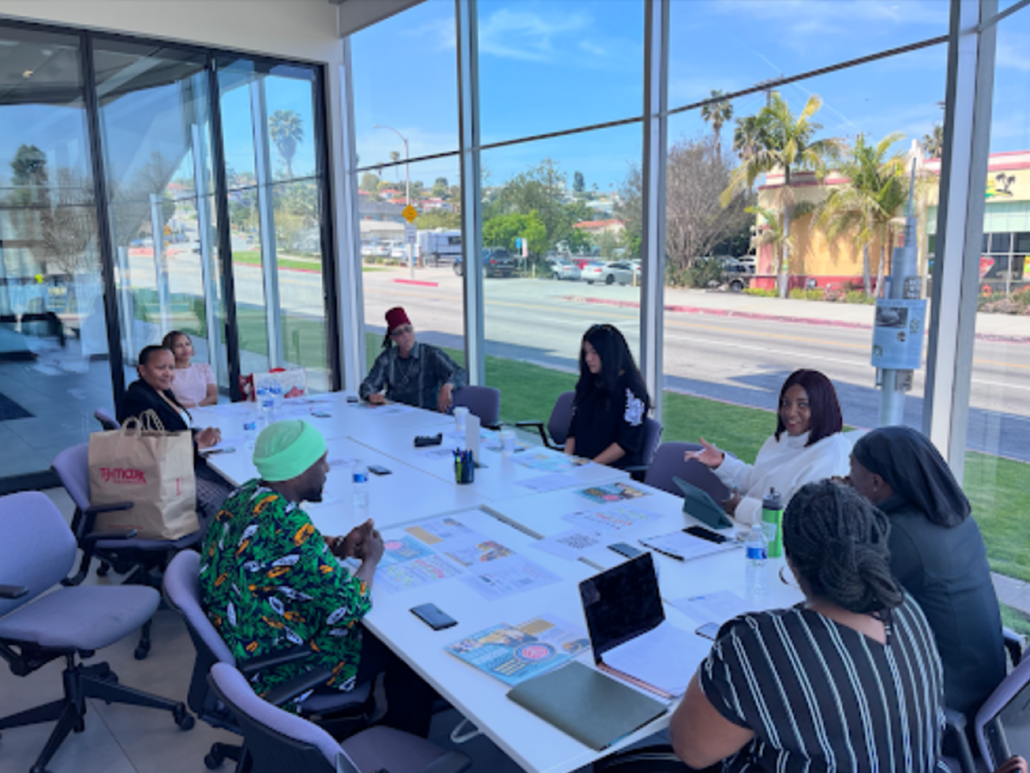
Research: This project establishes a real-time, community-based air quality monitoring network in Leimert Park, a predominantly Black neighborhood in South Los Angeles disproportionately burdened by environmental injustice and chronic underinvestment. In partnership with Ezrach Brain Trust Association (“Ezrach”), we will deploy low-cost, IoT-enabled air sensors at community-prioritized locations, including local businesses and sensitive receptors such as schools, daycare centers, and houses of worship. Residents and youth will be actively involved in installing, maintaining, and interpreting the sensors, while monthly community meetings will provide spaces to review air quality data, co-develop strategies to reduce pollution exposure, and build environmental science literacy. A publicly accessible dashboard will provide hyperlocal air pollution data, supporting community education, local interventions, and policy advocacy.
The project also advances workforce development by training local students and community members in air monitoring and other green careers, equipping participants with skills for meaningful employment in the green economy while empowering them to act on the environmental data they help generate.
By embedding technical air quality research within a participatory framework, this project produces neighborhood-scale data that is often lacking in regulatory monitoring and strengthens community knowledge and engagement. Ultimately, it aims to increase environmental literacy, expand green career pathways, and foster community resilience in Leimert Park. The project creates a scalable, replicable model for integrating environmental sensing, education, and economic development in other communities facing similar challenges.
Caption: Focus group session in Leimert Park where community members discussed local air quality concerns and identified potential monitoring sites. Source credit: Dr. Edidiong Mendie (Ezrach).
Angie Ontiniano, Fielding School of Public Health
Angie Denisse Otiniano Verissimo is an Associate Professor of Teaching at the UCLA Fielding School of Public Health where she earned her PhD and MPH. She completed her Postdoctoral Fellowship at the UCLA Integrated Substance Abuse Programs funded by the National Institutes of Health. Her research examines (1) how discrimination contributes to health disparities, particularly among the Latine community, (2) the health and social advantages of engaging community members in research and intervention processes, such as through the Promotor Model, and (3) interventions that incorporate virtual reality as a means of storytelling and healing. She has published her research in the American Journal of Public Health and coauthored a chapter in “The Cost of Racism for People of Color: Contextualizing Experiences of Discrimination” published through the American Psychological Association. She has been involved in several community-based programs and projects that bring services directly to community members and acknowledge the expertise of community members.
Research: Women of Color in Academia Advancing Environmental Justice is a community-engaged research and training initiative led by Angie Denisse Otiniano Verissimo at UCLA’s Fielding School of Public Health. The project addresses persistent environmental inequities in Los Angeles—where many communities of color face disproportionate environmental burdens—alongside structural disparities in funding for organizations led by marginalized groups. Through the Women of Color in Academia (WOCA) initiative, the project seeks to build equitable partnerships with grassroots organizations, including ALMA Backyard Farms, to co-develop community-driven environmental justice research that centers local knowledge, lived experience, and priorities.
At the same time, the project invests in cultivating the next generation of public health leaders by training graduate students—especially those from underrepresented backgrounds—in community-based participatory research (CBPR). Through a new interdisciplinary course and hands-on collaboration with community partners, students will gain practical skills in equity-centered research, mentorship, and language justice while contributing to real-world environmental justice efforts. By integrating community leadership with academic training, WOCA advances a sustainable, reciprocal model for addressing environmental injustice and fostering inclusive leadership in public health.
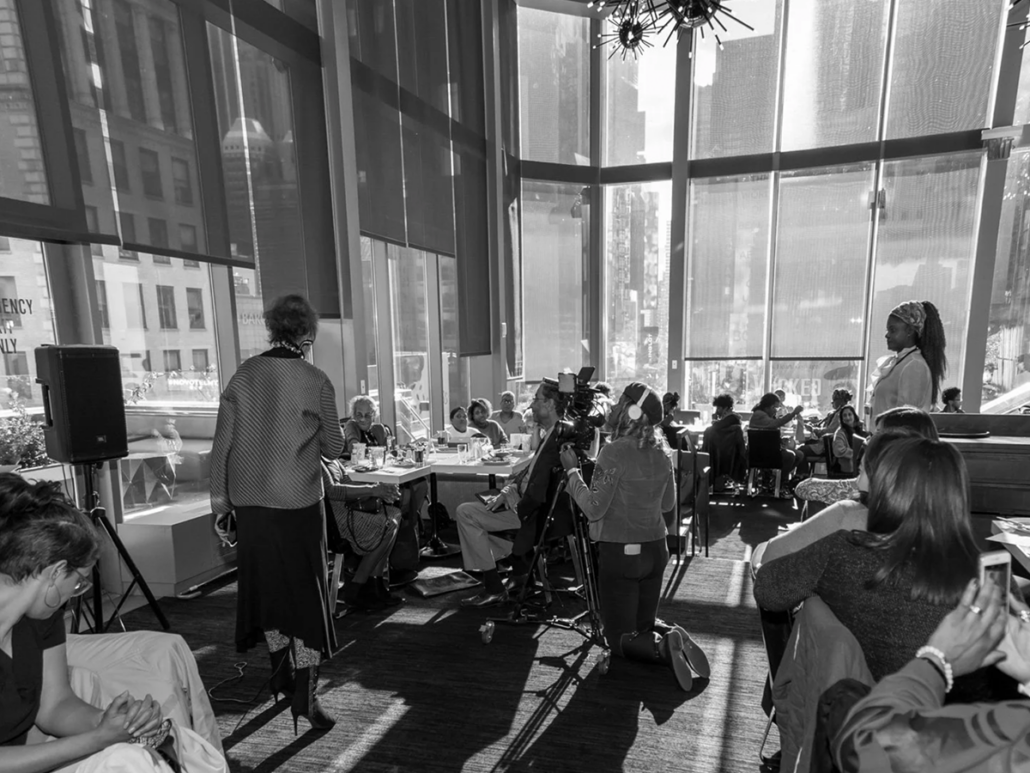
Caption: Photo via Women of Color in the Arts (WOCA).

Sean Metzger, School of Theater, Film and Television
Sean Metzger is a scholar who works at the intersections of several fields: visual culture (art, digital media, fashion, film, theater) as well as Asian American, Caribbean, Chinese, cinema, performance, and sexuality studies. He has published approximately one hundred articles, interviews, and reviews as well as two books. Chinese Looks: Fashion, Performance, Race (Indiana University Press, 2014) demonstrates how aesthetics, gender, politics, economics and race are interwoven through forms of dress from the late nineteenth through the early twenty-first centuries. The Chinese Atlantic: Seascapes and the Theatricality of Globalization (Indiana University Press, 2020) elaborates discourses of globalization through an examination of aesthetic objects and practices situated in cities from Shanghai to Cape Town. It received the John W. Frick Award from the American Theatre and Drama Society and the Humanities and Cultural Studies Book Award for Media, Performance, and Visual Studies from the Association for Asian American Studies.
Research: Ambivalent States: Staging Asylees and Refugees from the Asian Diaspora
This research project forms the concluding chapter of Ambivalent States: Staging Asylees and Refugees from the Asian Diaspora, a book that examines how legal systems, cultural narratives, and artistic practices shape the lives and representations of refugees and asylees. Focusing on the work of artist An-My Lê, the project explores how her photography and performance reframe landscapes marked by war, displacement, and environmental transformation. Lê’s images juxtapose beauty with histories of violence, inviting viewers to consider how spaces can simultaneously evoke refuge and destruction. Situating her work within broader debates about climate displacement, the project highlights how race, nationalism, and environmental crisis intersect in shaping who is recognized—and protected—as a refugee.
More broadly, the book investigates the legal and cultural construction of refugee identity, tracing how U.S. asylum policy and international law both enable and constrain recognition. Through case studies spanning World War II, the Vietnam War, LGBTQ asylum claims, and contemporary climate migration, the author shows how refugees are often required to “perform” legibility to the state, while certain populations are rendered disposable. By engaging artistic works alongside legal histories, the project argues for more expansive and humane understandings of displacement. The research on Lê, supported by site visits to the landscapes she photographs, emphasizes the importance of sensory and environmental experience in understanding climate refuges and challenges policymakers to rethink responses to growing global displacement.
Caption: An-My Le photographed on September 21, 2012 in Brooklyn, NY. (Photo by Matt Carr for Home Front Communications).
Kaily Heitz, Department of Geography
Kaily Heitz is a Black Geographer bridging Black feminist interventions and insights into the lived experience of Blackness, Urban, and Geographic research on the relationship between race, political-economic structures of inequality, and spatial justice. Specifically, Heitz’s work examines the way that Black anti-displacement activist organizations and community-based development groups respond to inequitable city planning by utilizing a cultural framework that represents the experience of place-specific racialization.
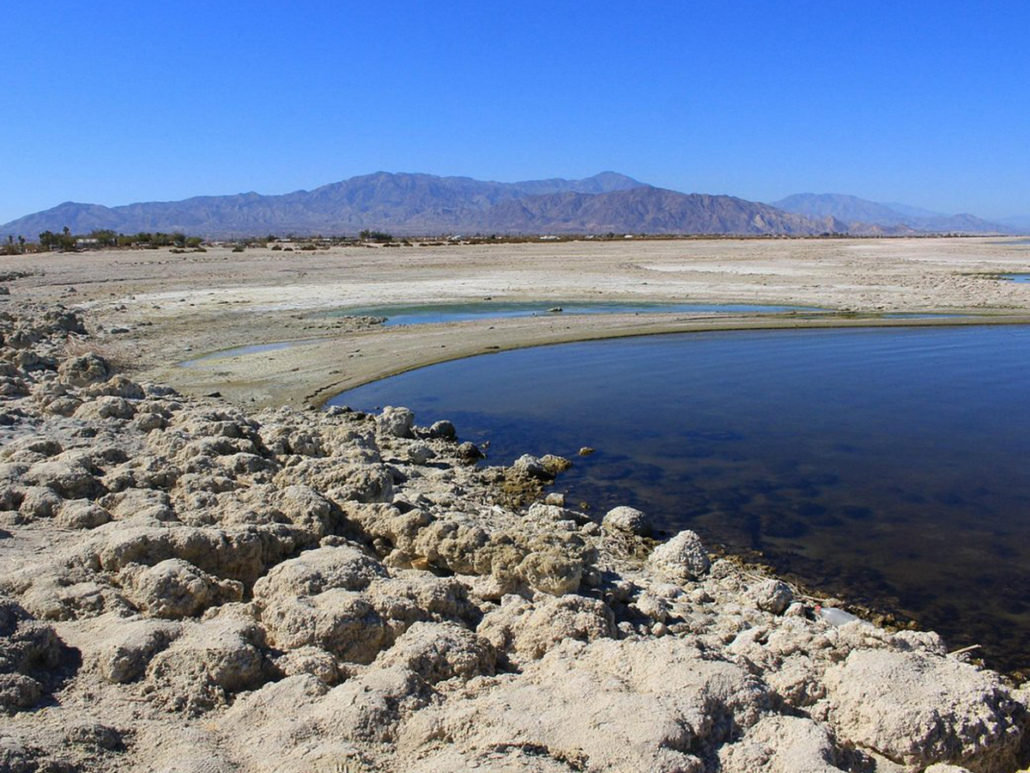
Research: The Thriving Salton Sea Communities project examines the environmental and public health crisis surrounding California’s Salton Sea, focusing on hydrogen sulfide (H₂S) emissions and their disproportionate impact on nearby low-income, predominantly Indigenous and Latinx communities. While government agencies tend to treat H₂S as a minor odor nuisance, this research—grounded in community-based monitoring—demonstrates that emissions are more frequent and severe than officially reported, and are closely tied to environmental conditions like wind and temperature. Residents experience these emissions as chronic, embodied health burdens linked to respiratory issues, headaches, and broader environmental injustices, compounded by agricultural pollution, shrinking water levels, and inadequate infrastructure. The project reframes H₂S exposure as not just a technical issue, but a matter of environmental justice and lived experience.
Combining scientific data with interviews, focus groups, and creative workshops conducted in partnership with community organizations, the research highlights how pollution shapes both physical health and perceptions of the future, especially among youth who associate the region with decline and limited opportunity. It also critiques “safe threshold” models of pollution, showing how residents experience toxicity as constant and pervasive. In its final phase, the project aims to return knowledge and tools to the community through accessible outputs like a zine, workshops, and advocacy resources, while promoting participatory, community-led research. Ultimately, it seeks to challenge narratives of the Salton Sea as a lost or toxic space and instead support visions of environmental justice and long-term community thriving.
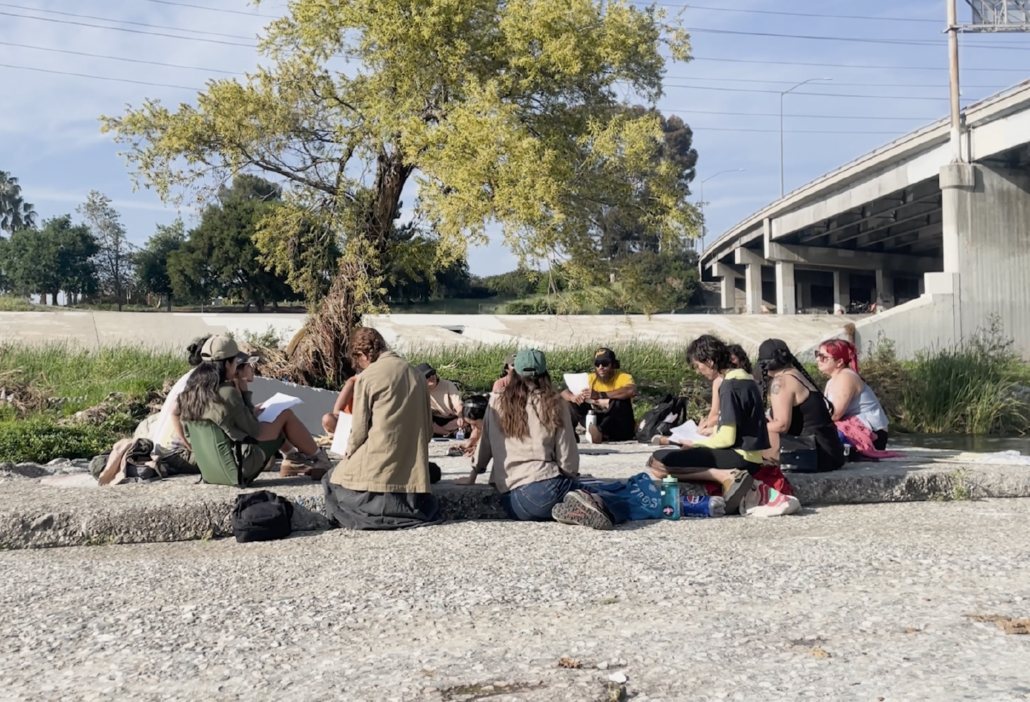
Ayasha Guerin, World Arts and Cultures/Dance
Ayasha C. Guerin is an interdisciplinary artist and scholar whose research and creative practices center socio-ecological histories. They are an assistant professor of intersectionality and practice-based research and media making in the department of World Arts & Cultures/ Dance.
Research: This project towards a chapter on the history of flood control and ecological art in the Los Angeles River. In Northeast L.A., a soft-bottomed section of the river where the concrete never set suggests an alternative to the US Army Corp of Engineers’ agenda. Here, artists have drawn social resistance metaphors from alluvial resistance. Working with archival flood control planning and policy documents at the Huntington Library, this chapter will also detail various contemporary art interventions that have critiqued colonial river management, and have invited Angelinos to learn Indigenous histories of the floodplain and reimagine the waterway’s future.The chapter will incorporate interviews conducted with artists over the next year and analyze public discourse surrounding their interventions. The grant will also support the creation of an immersive lecture on these topics, using 360-degree camera technology, that will allow students access to river sites from the classroom.
Caption: Screenshots from documentation of a Liberated Planet Studio recording session at the Los Angeles River, April 2025.
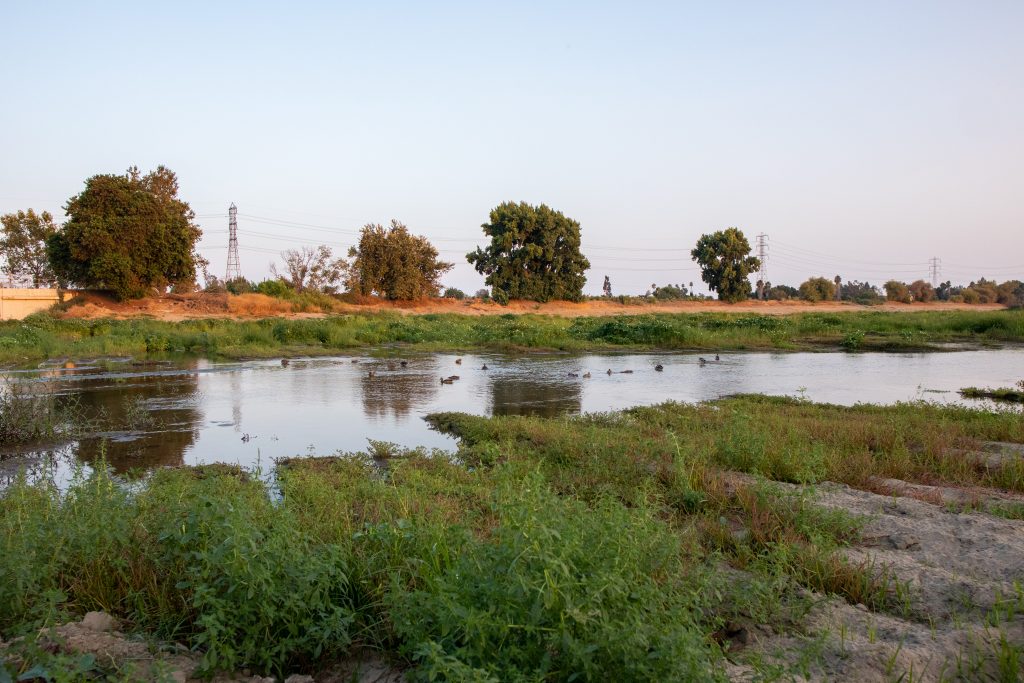
Erin Cooney, Department of European Languages and Transcultural Studies
Erin Cooney is an Assistant Adjunct Professor in the Department of European Languages and Transcultural Studies and has a background in philosophy, French studies, graphic design, and media arts. Professor Cooney teaches experimental humanities courses focusing on ecological crisis, biodiversity collapse, environmental injustice, food studies, colonial history, media studies, and ecological arts and design. Before joining ELTS, Erin taught food justice courses in the Environmental Studies Program at Rice University, and developed and taught courses on media studies, ecological arts and justice, and visual communication as a lecturer in UCLA’s Department of Design Media Arts. From 2020-2022, Erin served as Associate Director of UCLA’s Counterforce Lab, a transdisciplinary studio that harnesses the power of art and design to engage with the reality of global ecological crisis and its ties to environmental injustice.
Research: This project proposes a community-centered public art event built around Aire Libre, a multimedia film that exposes the environmental injustices embedded in the infrastructure of Los Angeles’ logistics economy. Focusing on communities along the I-710 corridor—predominantly Black and Latino neighborhoods disproportionately burdened by pollution from ports, freeways, warehouses, and industrial sites—the project highlights how systemic racism in urban planning has concentrated environmental harm in specific areas. Through collaboration with East Yard Communities for Environmental Justice, CONTRA-TIEMPO Activist Dance Company, and local artists, Aire Libre combines dance, oral histories, and poetry to document lived experiences of toxic air and soil, while challenging dominant narratives that render these communities invisible.
The proposed event at Riverfront Park in Maywood will bring this work directly back to the community through a public screening, oral history collection, and large-scale outdoor video projection onto nearby industrial landscapes. Designed as both a celebration and a form of collective healing, the event invites residents to share their stories, engage with environmental health resources, and witness their experiences reflected in powerful visual form. By reclaiming historically contaminated and marginalized spaces through art and community gathering, the project fosters environmental awareness, cultural resilience, and grassroots empowerment, while also building long-term capacity for East Yard to use public projection as a tool for advocacy and self-determined storytelling.
Caption: Photo of East Yard Communities for Environmental Justice’s East Yard Summer Water Tours.