
Urbanization, climate change, and socioeconomic inequities in cities:
How do they interact to affect genetic adaptation of songbird populations?
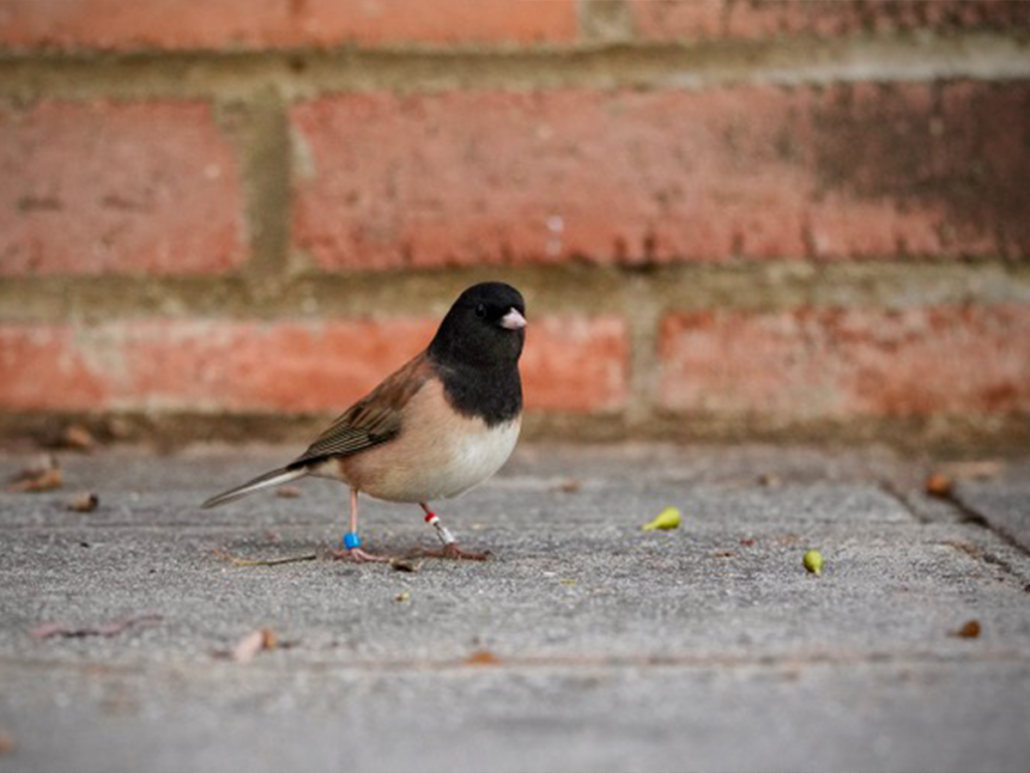
This project explores how urban life shapes evolution by examining the combined effects of urbanization, climate change, and social inequality on songbird genetics. Cities are not uniform environments—factors like pollution, temperature, and access to green space vary widely, often along socioeconomic lines. These differences can create distinct ecological pressures for wildlife living just blocks apart. By focusing on the Dark-eyed Junco, a songbird that has repeatedly adapted to urban environments, this research investigates how birds evolve in response to these uneven conditions. Using both historical DNA from museum specimens and modern genetic samples, the study compares populations across four California cities to understand how environmental and social factors influence genetic adaptation over time.
By pairing genomic data with environmental and sociological information, the project aims to reveal how inequality within cities shapes not only human experiences, but also the evolution of urban wildlife. Findings will contribute to a deeper understanding of biodiversity in cities and support more equitable approaches to environmental planning and conservation. Beyond research, the project also creates educational opportunities for students and community members, including hands-on research experiences for UCLA undergraduates and a youth program in Los Angeles that introduces elementary students to bird biology and scientific inquiry. Together, this work advances a vision of cities as shared ecosystems, where human and non-human lives are deeply interconnected.
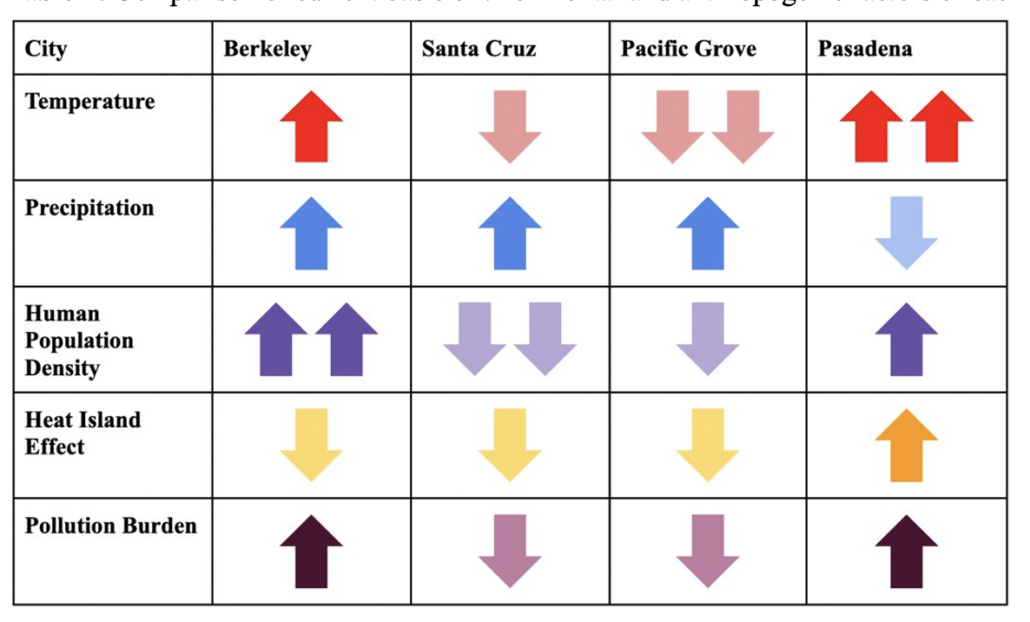
Table 1: Comparison of current basic environmental and anthropogenic factors of each of the study cities.
Broader Impacts
Sociobiological characteristics of a city can alter environmental pressures on non-human inhabitants. By tracking sociobiological aspects and changes in cities over the past century, we can understand how environmental variation and disparities in environmental justice influence the emergence of genetic adaptations and the trajectory of urban wildlife evolution. Knowing how heterogenous cities impact animal evolution a step towards multispecies environmental justice. With bird populations in decline, the success of juncos in urban centers provides an important model to understand how humans affect avian evolution.
In addition to providing direct benefits through this project, we will enrich the UCLA and Los Angeles communities by providing research experiences and education. There will be opportunities for UCLA undergraduates to gain research experience on this project. Additionally, our lab has partnered with Heart of Los Angeles (HOLA), a nonprofit bridging the education gap for under-resourced communities in LA, since 2021. We will continue to run and further expand our 10-week course, “Our Neighbors, the Birds!”, with HOLA. In this course, we engage elementary-aged students about bird biology and introduce scientific thinking. We have received much positive feedback from our students and the nonprofit staff about the effectiveness of this course in getting students excited about birds, and broadly, the natural world.
Our team is comprised of all women at various career stages: P. Yeh, a full professor, leads this work; E. Diamant, a visiting assistant professor; and S. Glassman, a second-year graduate student. Our focus on kids, and particularly girls, in STEM is an important part of the work we do with HOLA.
Caption: Dark-eyed Junco on the UCLA campus. Photo credit: Sierra Glassman
People
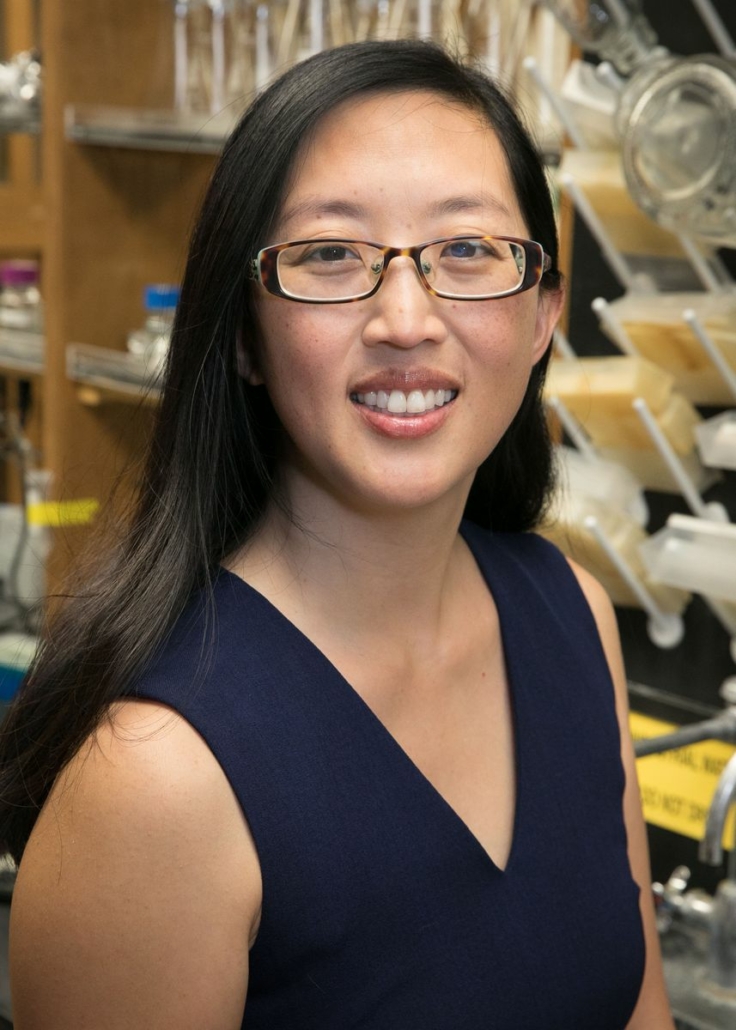
Pamela Yeh
Institute of the Environment and Sustainability
Pamela Yeh is an evolutionary biologist and studies how human activities affect the evolution of species, focusing on the evolution of birds in urban environments and the evolution of drug-resistant bacteria. She is particularly interested in how multiple stressors interact to affect the ecological and evolutionary trajectories of populations. She received her BA in Biology from Harvard University, her PhD in Evolutionary Biology from University of California at San Diego, and conducted post-doctoral work at Harvard University and Harvard Medical School. She has been at UCLA since 2013.