Debating “Zone Zero”: Gendered dimensions of wildfire mitigation, mobilization, and meaning-making in California
This project analyzes efforts to reduce wildfire risk to homes and communities. Using ethnographic and intersectional feminist approaches, it follows unfolding debates over California’s new “Zone Zero” regulations. The regulations, currently being finalized, will restrict or require the removal of plants, trees, and flammable material within the five-foot perimeter around every structure in designated high fire hazard zones. These zones are expanding. Nearly one in five buildings in California will be subject to the regulations, including dense urban parts of Los Angeles, where Zone Zero could dramatically alter existing landscapes.
Much attention to Zone Zero focuses on the potential environmental impacts of vegetation removal and the scientific uncertainty over vegetation’s role in urban conflagrations. This project attends to Zone Zero’s social dimensions. It builds on scholarship that situates climate change adaptation in everyday life, foregrounding gendered adaptation labor as well as the social life of risk and hazard mapping and mitigation. The project examines the experiences of those who live and work in areas that will be subject to Zone Zero regulations, and tracks the collective action emerging across the state in response. While Zone Zero’s formal rulemaking has centered almost entirely on homeowners, the regulations are poised to affect numerous renters too, raising questions about who has a voice in the process and how Zone Zero’s costs will be borne.
Homeowners’ insurance pressures, insurance industry actors, and industry-funded science have played a central role in advancing Zone Zero. Part of this project further explores which forms of knowledge and experience are recognized, engaged, validated, elided or erased in Zone Zero’s development and implementation, as well as in surrounding debates. Insurance is a major force shaping the transformation of urban space in the context of climate change, interacting in this case with the shifting meanings and politics of home, housing, property and urban natures.
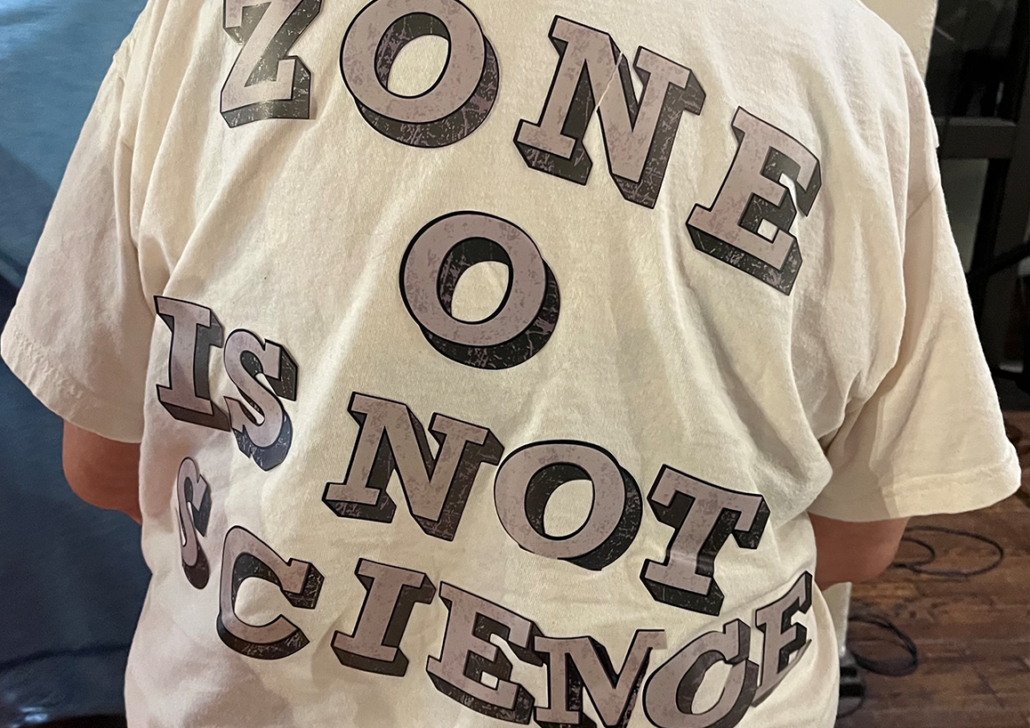
Photo caption: A participant at a public meeting wearing a t-shirt that reads “Zone 0 is not science.” Photo by Liz Koslov.
People
Liz Koslov
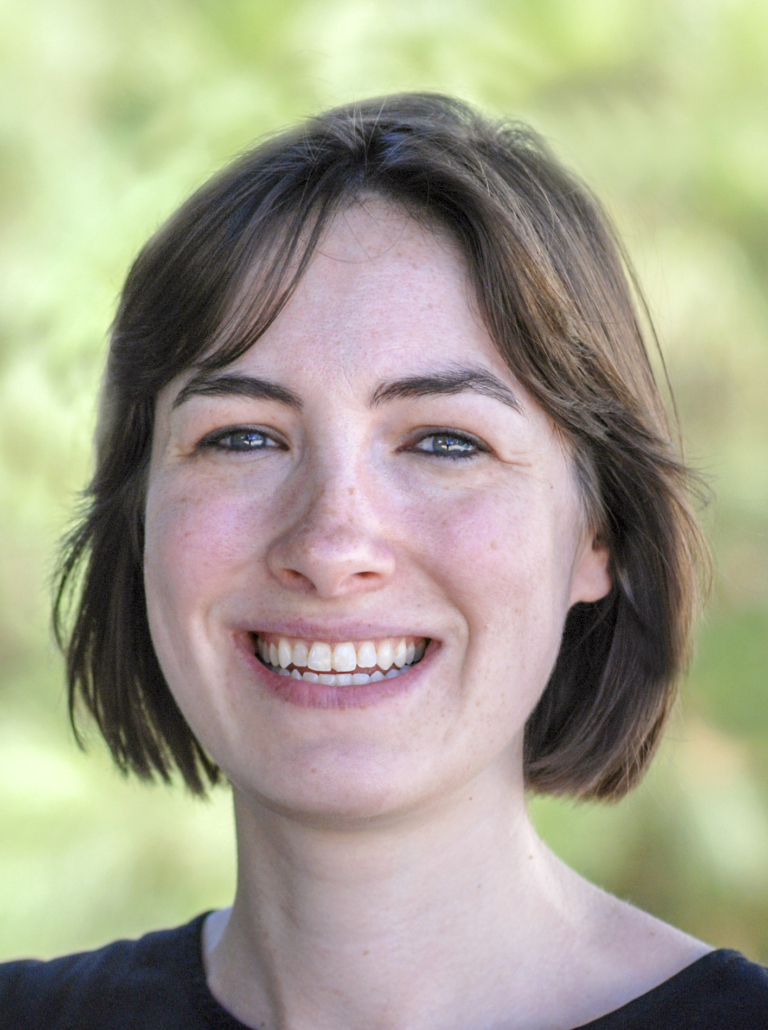
Liz Koslov is Assistant Professor of Urban Planning, Environment and Sustainability, and Sociology at UCLA, where she studies how cities and communities adapt to climate change. Much of her research examines the idea and process of “managed retreat” from high-risk areas exposed to sea-level rise, flooding, and wildfire. Her publications include articles in Public Culture, Annals of the American Association of Geographers, and the Annual Review of Sociology, as well as the collectively authored book, People or Property: Legal Contradictions, Climate Resettlement, and the View from Shifting Ground.