
Mexican Migrant Women in the Age of A.I.: A Data Borders Inquiry
Mexican Migrant Women in the Age of A.I.: A Data Borders Inquiry reveals how Mexican migrant women in the California borderlands are not just surveilled subjects but visionary contributors to the evolution of technology—from radio to AI. By centering their stories and expertise, it calls on readers, technologists, and policymakers to fundamentally reimagine the design and purpose of our digital systems through the knowledge of those who have long navigated and reshaped them with resilience, strategy, and insight.
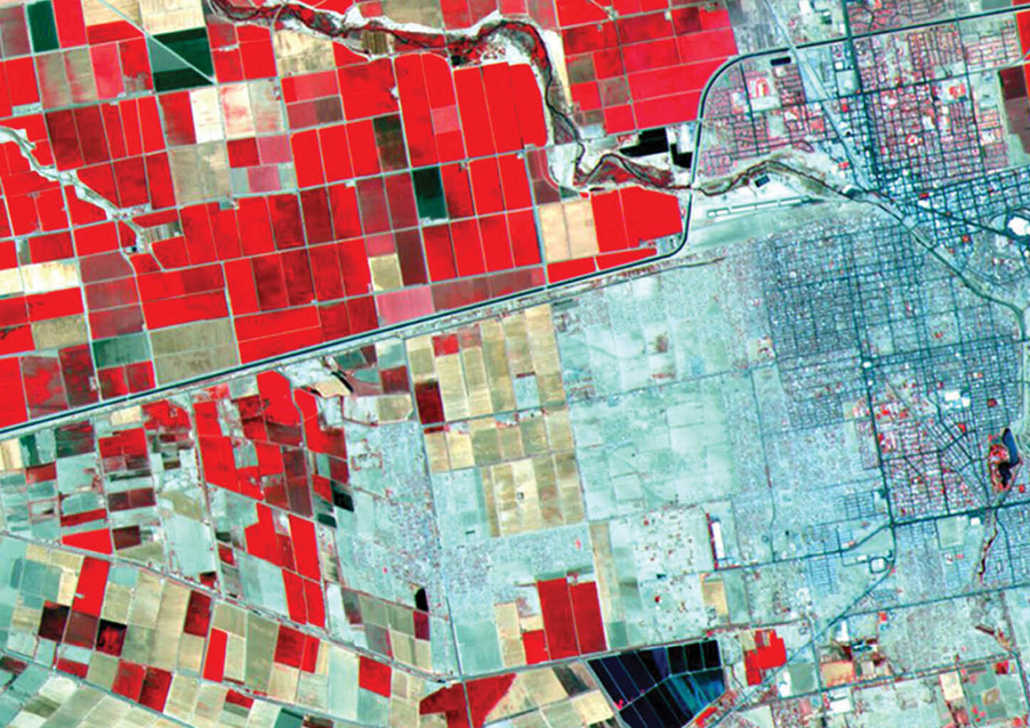
Photo caption: This false-color satellite image captures the sharp boundary between agricultural land and urban development.
Photo from Data Borders: How Silicon Valley Is Building an Industry Around Immigrants by Melissa Villa-Nicolas
People
Melissa Villa Nicholas
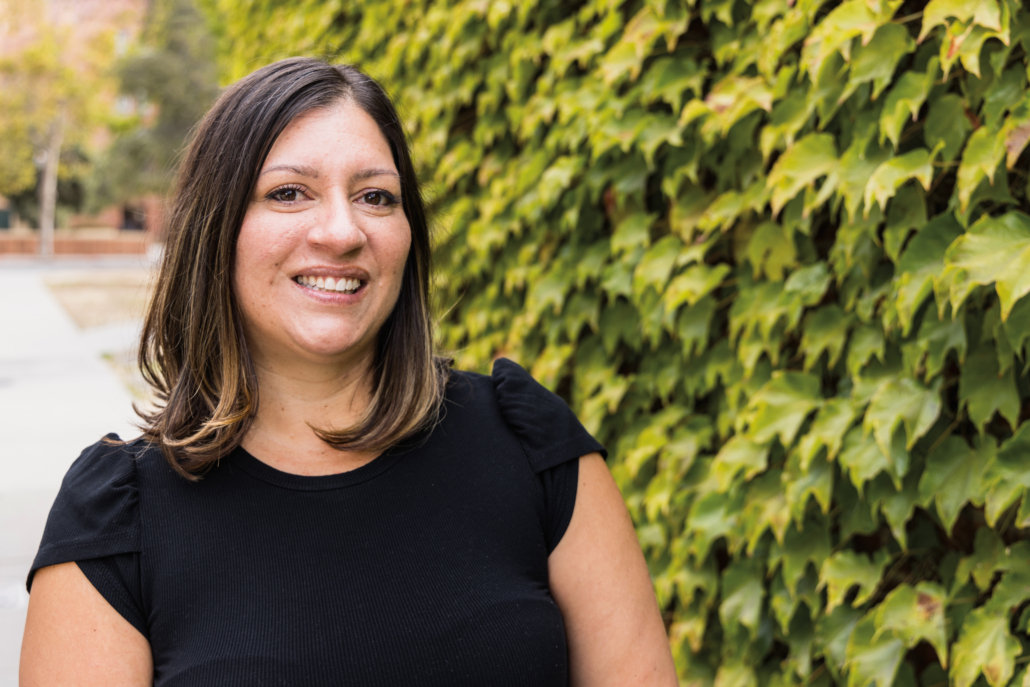
Dr. Melissa Villa Nicholas is an associate professor at UCLA’s Department of Information Studies. Her work focuses on the histories and practices of information and technology among Latinxs, immigrant information rights, and critical approaches to information science. Her first book, Latinas on the Line: Invisible Information Workers in Telecommunications (Rutgers Press, 2022), received an honorable mention from the Labor Tech Network book award for 2022. Her second book, Data Borders: How Silicon Valley is Building an Industry Around Immigrants, (UC Press, 2023) and received the McGannon Center Book Award from Fordham University (2023) and the Association of Borderlands Studies Past President Book Award (2025).