Chemical Fate:
Measurements of Bioremediation, Resilience and Success
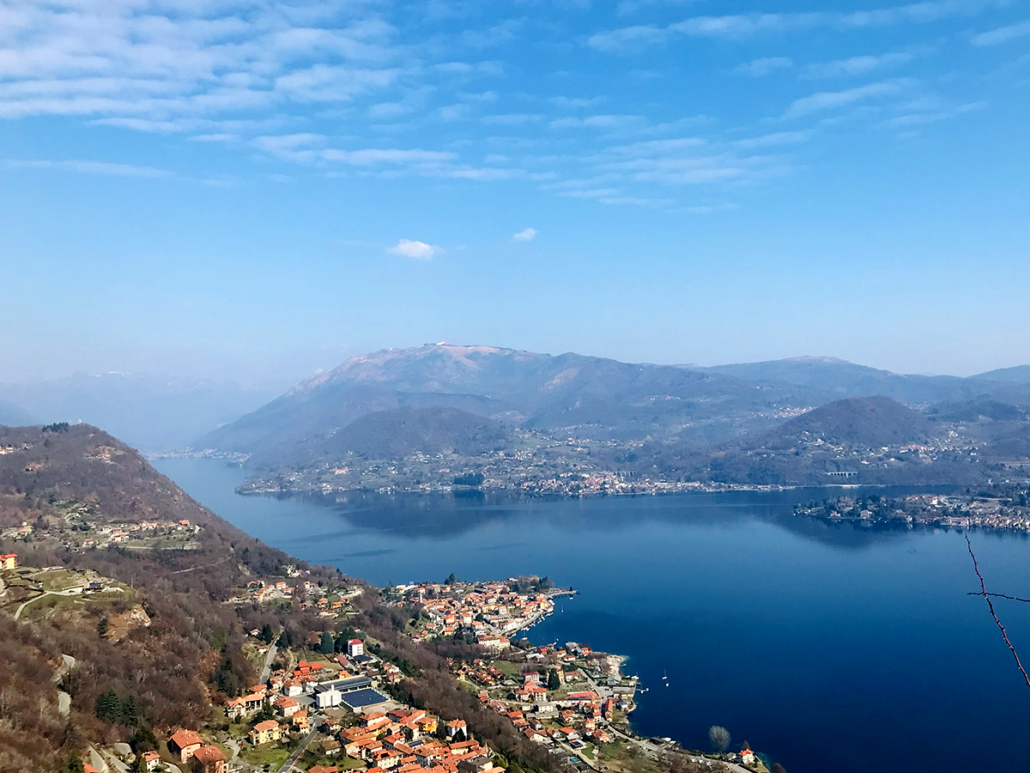
This project takes up the complex and documented toxic history of one sub-alpine lake ecosystem in Northern Italy due to pollution from war-era investments in synthetic rayon beginning in the 1920s (ammonium-sulfate and copper), and the impacts of intensive industrial faucet production through the 1970s (copper, chromium, nickel, zinc, lead). This research and subsequent article on waste politics and the crucial and complex role of science offers close analysis of more than 50 years of scientific literature, as well as digital and material archives (1926-2025) concerning the lake’s early industrial pollution, and then hard-earned remediation in the late 1980s, as a bioremediation case study.
As a waste scholar, Vaughn interested in how the scientific community has historically documented, defined, or championed successful environmental repair of this ecosystem; how it has made sense of the lag of impact in pollution evolution over time; and ultimately, in theorizing what might be gained from noticing, rather than forgetting, the “trouble” of everyday chemical impacts?
This article-in-progress and broader oral history project with scientists and laborers working in and around the lake, inquire after a critical environmental concern for our times—
- What is bioremediation and is it achievable?
- How is it defined and by whom?
- When bioremediation is framed as successful, according to what scientific or cultural standards of measurement is that success documented?
- Does remediation reflect a multispecies justice in the long duree` of its proclaimed achievement?
People
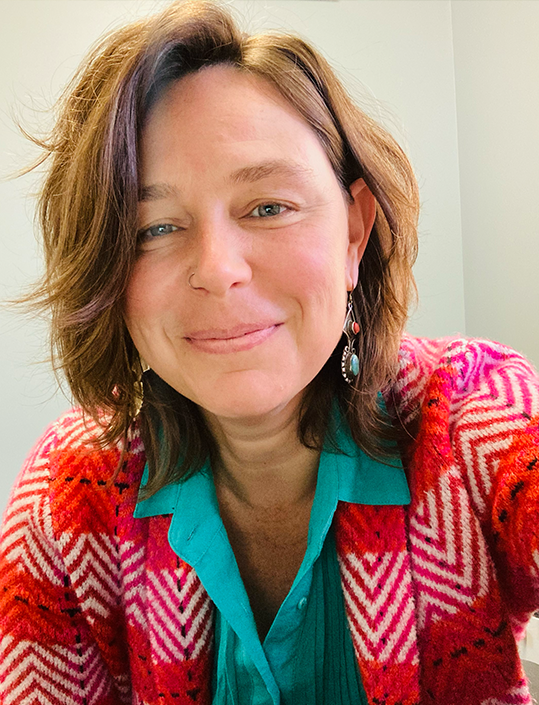
Rachel Vaughn
Institute for Society and Genetics
Rachel Vaughn is a Continuing Lecturer in the UCLA Institute for Society & Genetics. She is co-organizer of the Coronavirus Multispecies Reading Group (2020-23); 2018-19 Oral Historian-in-Residence and 2016-2018 post-doctoral fellow in the UCLA Center for Study of Women’s Food, Water, Shelter and Chemical Entanglements research initiatives. Vaughn holds a PhD in American Studies from the University of Kansas. Her research and publications address food access, waste and systems of management, redistribution and uneven health impacts at the intersections of Food and Discard Studies, Feminist Science & Technology Studies.