Reflecting on Thinking Gender 2026
By Tavi Carpenter, Thinking Gender 2026 Graduate Student Researcher
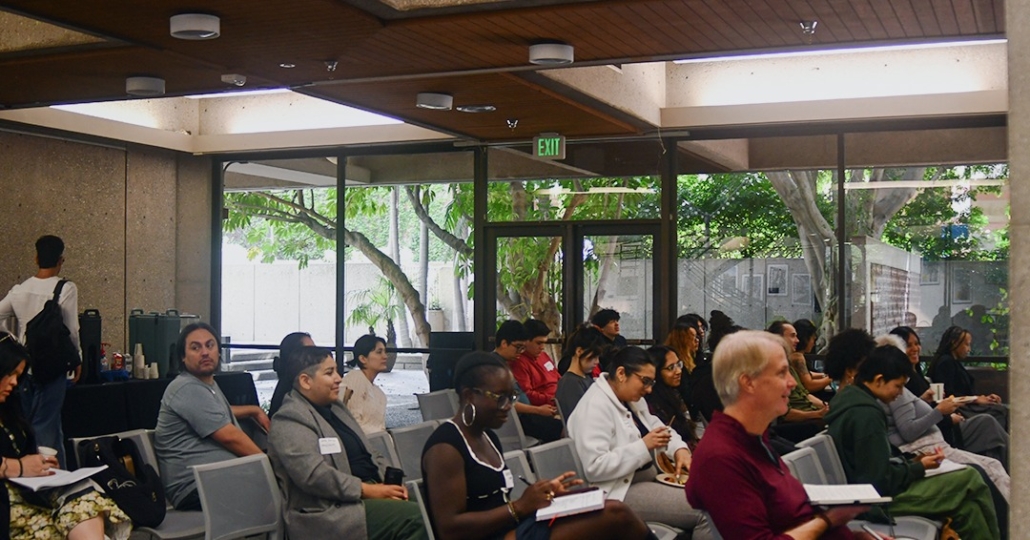
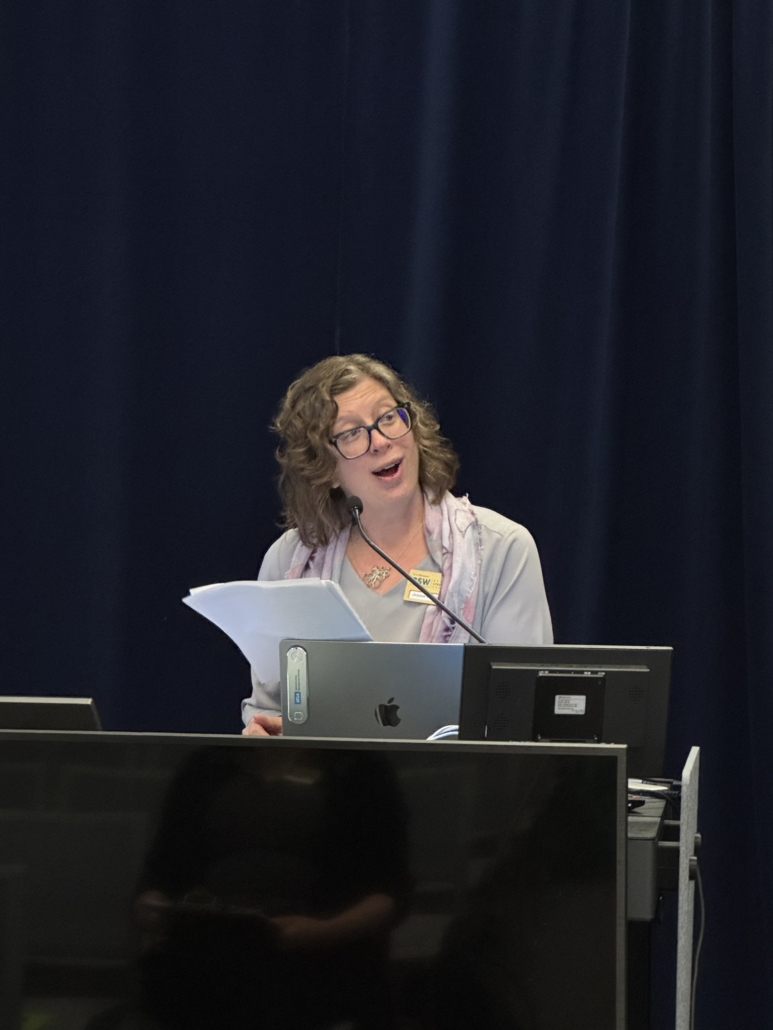
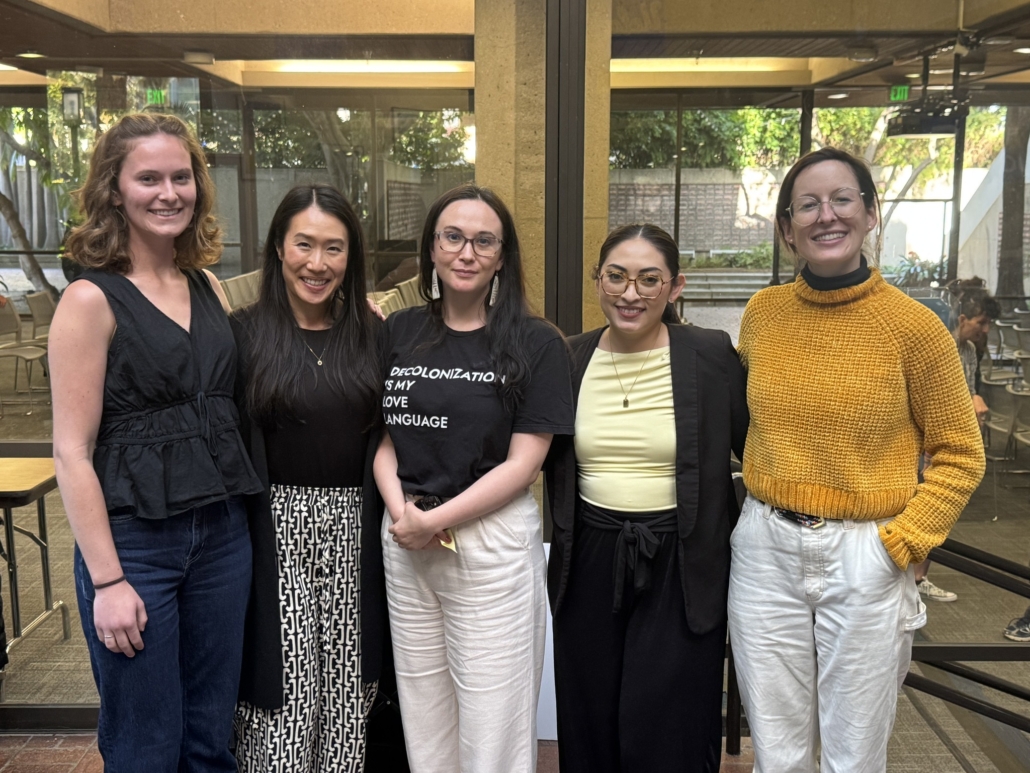
Last month, CSW|Streisand Center held its annual Thinking Gender conference at the James West Alumni Center. There was a wonderful turnout of students, professors, researchers, and community members, which cultivated a space for collective knowledge building. The panelists who presented spanned the disciplines, highlighting the broad reach of this year’s theme. Through a variety of events hosted by CSW|Streisand Center throughout the year, I’ve had the opportunity to deeply reflect and expand my understandings of feminist and queer ecologies. I’ve felt a deep connection to the theme, and it has been wonderful to experience the intersections with other disciplines and scholars. We may often think of arts, humanities, and STEM as isolated from one another. Indeed, at UCLA, we have North Campus (home of the arts, humanities, and social sciences) and South Campus (site for the life sciences, physical sciences, engineering, and medicine) where never the two shall meet! This I say in jest, because of course there is crossover. And this year’s Thinking Gender theme of feminist and queer ecologies demonstrated how interdisciplinary all our scholarship is and the benefits to be gained when we learn from one another and think together.
Important to state in these times, when women studies and gender studies departments are eliminated, merged, or restructured across the US, is that the role of the academy is not only to create, disseminate, and preserve knowledge, but to expand, challenge, and unsettle conceptions of knowledge itself. While the academy has not always supported the latter, it has always housed spaces willing to cultivate and fight for that type of intellectual work. CSW|Streisand Center is that kind of space, perfectly reflected in the 36 years Thinking Gender has existed. I witnessed this during the closed hybrid workshop day on April 16, where graduate students were able to get feedback on in-progress works. Despite the many challenges of this moment in time, the knowledge production was cutting edge in the most exciting ways. Many were actively challenging and intervening in the conventions of their disciplines. Fellow scholars collaborated in strategizing how to navigate and clarify their work in ways that were expansive. One project looked at how to exchange and share place-based knowledge about climate resiliency between communities by creating a game that fosters connection and collectivity. Another project examined the way online spaces are aestheticizing ecologies to both subvert and enforce colonial practices and capitalism. A third project looked at how knowledge of place within the contemporary moment can inform how we understand the past, particularly if there are missing narratives within the archives. Each workshop session was a reminder that the environment impacts every aspect of our lives and there is plenty of room for deeper scholarly inquiry.
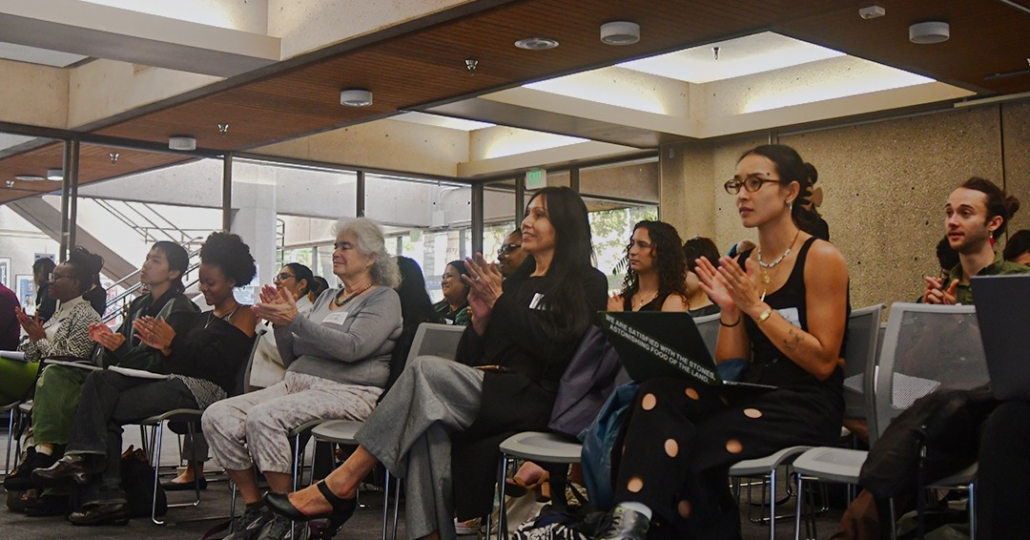
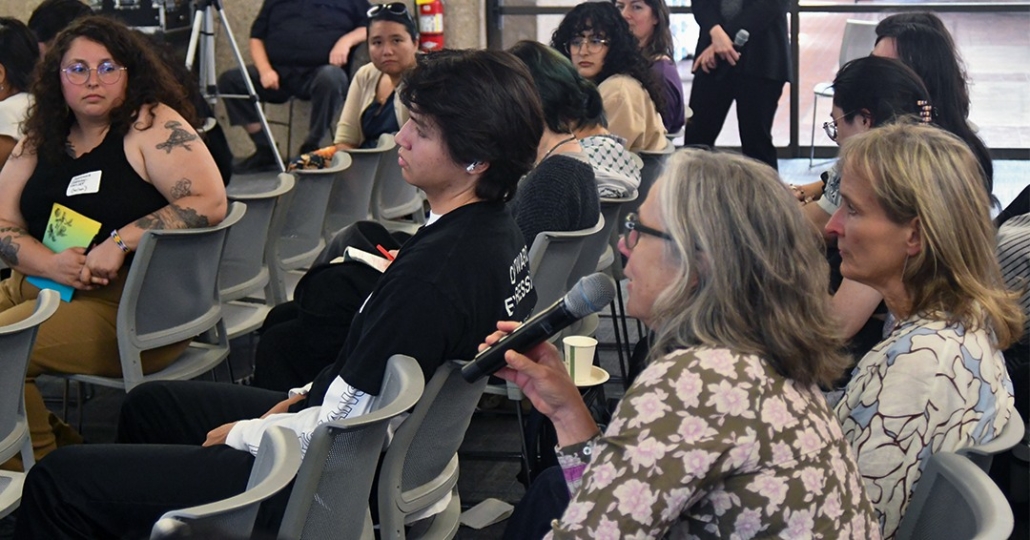
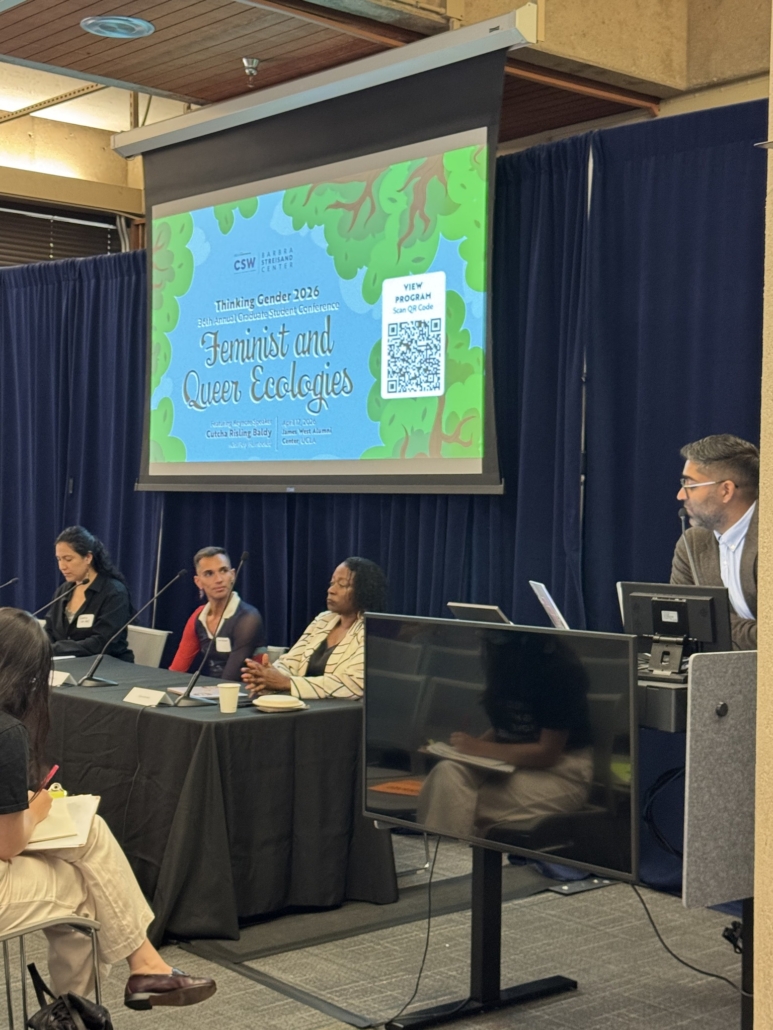
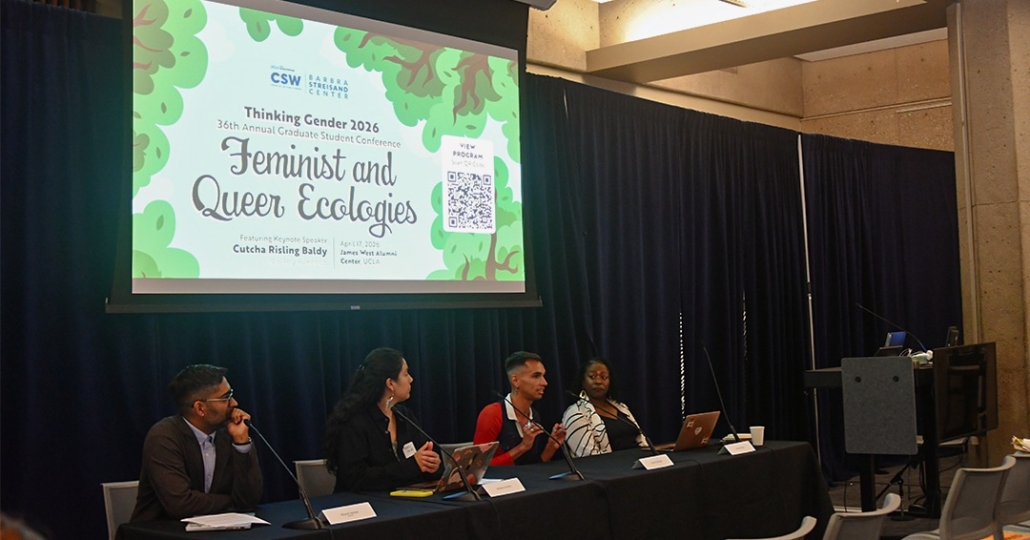
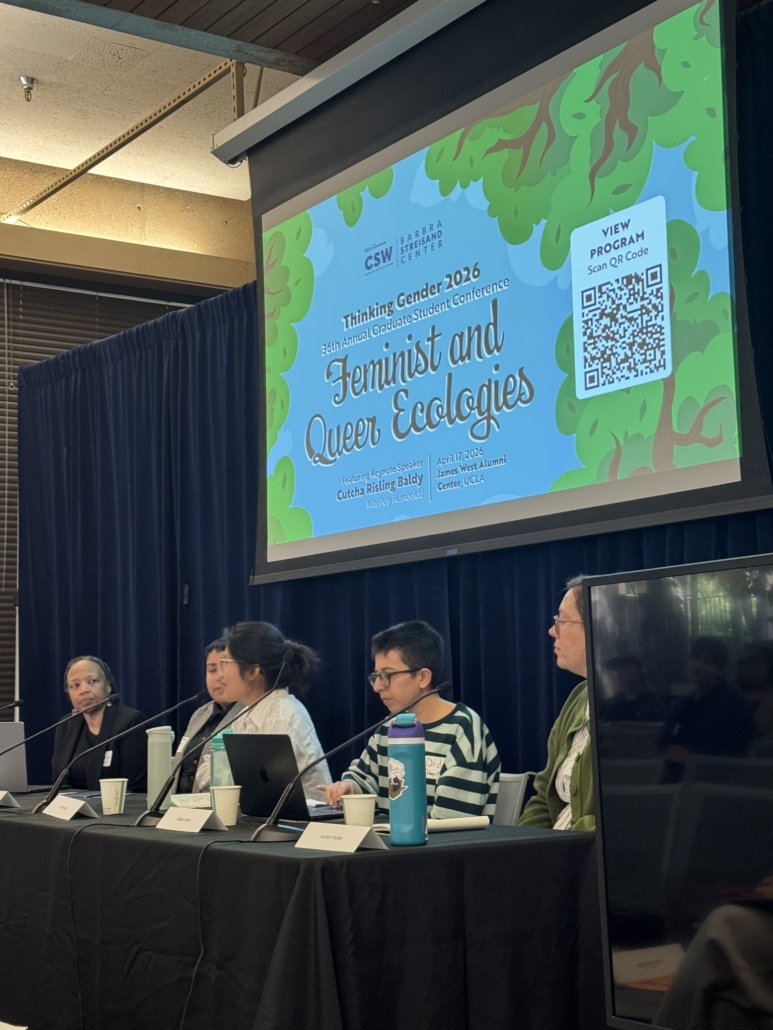
The public-facing section of the conference on April 17 featured three panels. The panels addressed embodied knowledge systems, water relationality, and queer kinship. Each panel offered new ways of thinking about the intersection between the environment, gender, sexuality, and justice. The room felt full and engaged as each panelist shared their presentation. As the coordinator, it was a heartening experience to see the year’s work come into full fruition. The wealth of knowledge is impossible to fully capture here, so I highly encourage everyone to check out the recordings available on CSW|Streisand Center’s YouTube account.
A few takeaways that stood out to me. The panel, “Embodied Knowledge Systems,” deeply engaged in unsettling knowledge systems, looking at what can be found when we ask the kinds of questions that often go unasked. It provided clarity on how society and science are interrelated, continuously influencing one another. One presenter spoke to the notion of memory as held in practice and practice as theory. It grounded our morning in thinking about the embodied nature of knowledge and the profound loss that occurs when we don’t engage with that experience. In the second panel, “Water Relationality,” presenters explored what it means to be in relationship with water and the ways in which the form of water shapes those relationships. Additionally, those relationships are both collectively shared and individually filtered through things like memory, politics, and position. The third panel, “Queer Kinship,” questioned the difference between relation and kinship, and the asymmetries that exist in our relationships with more-than-human and plant kin. We were asked to consider the way contact through saturation and slow accumulation can transform our understanding of ecologies. This panel also reflected on the ways small activities can accumulate into a dense web and construction of ecology.
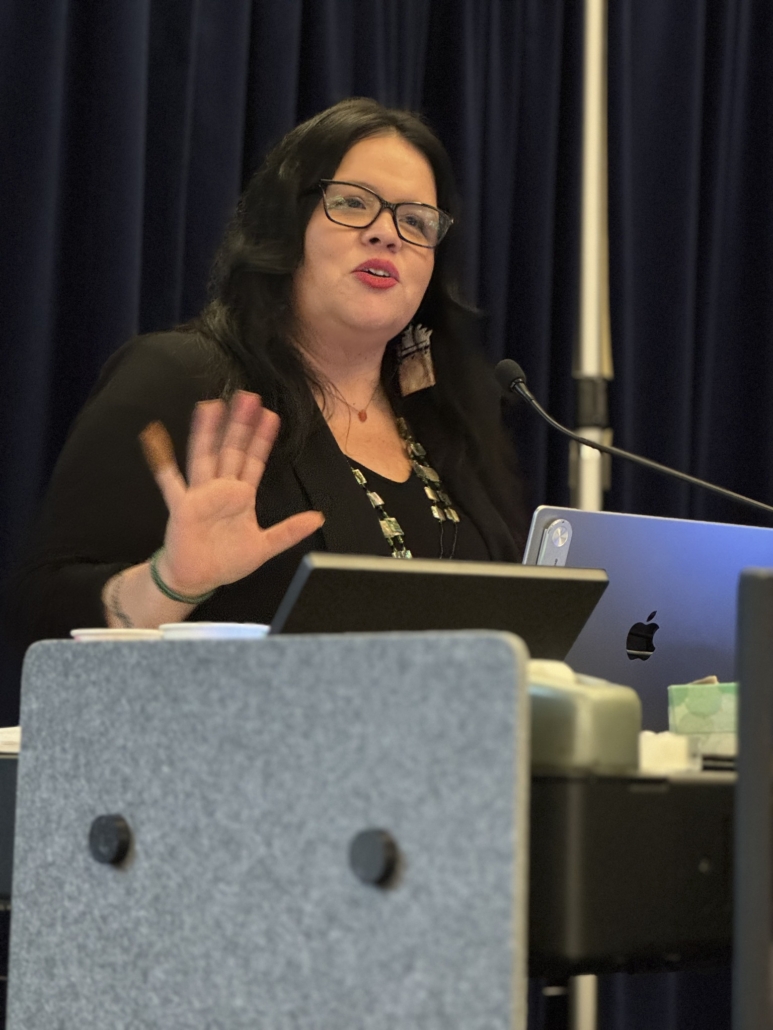
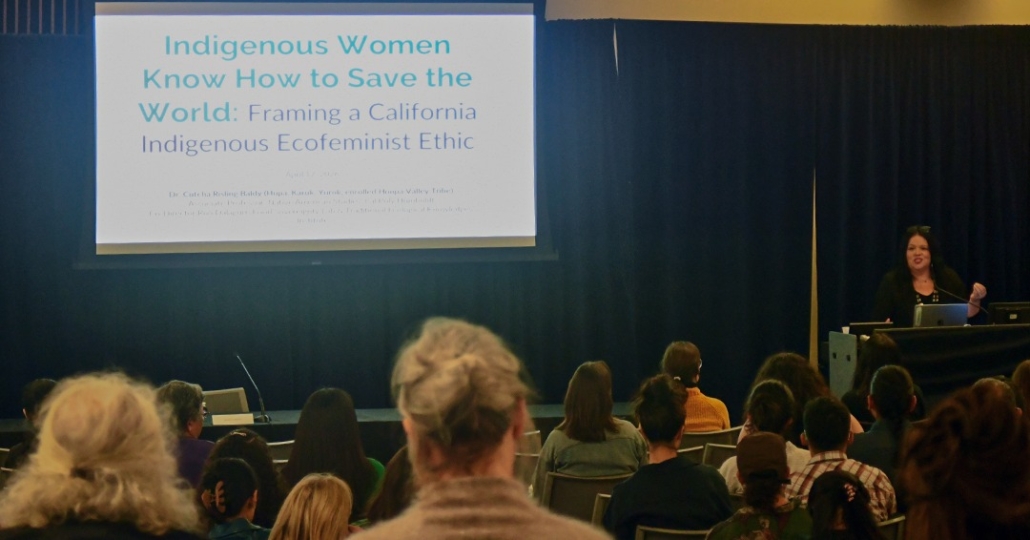
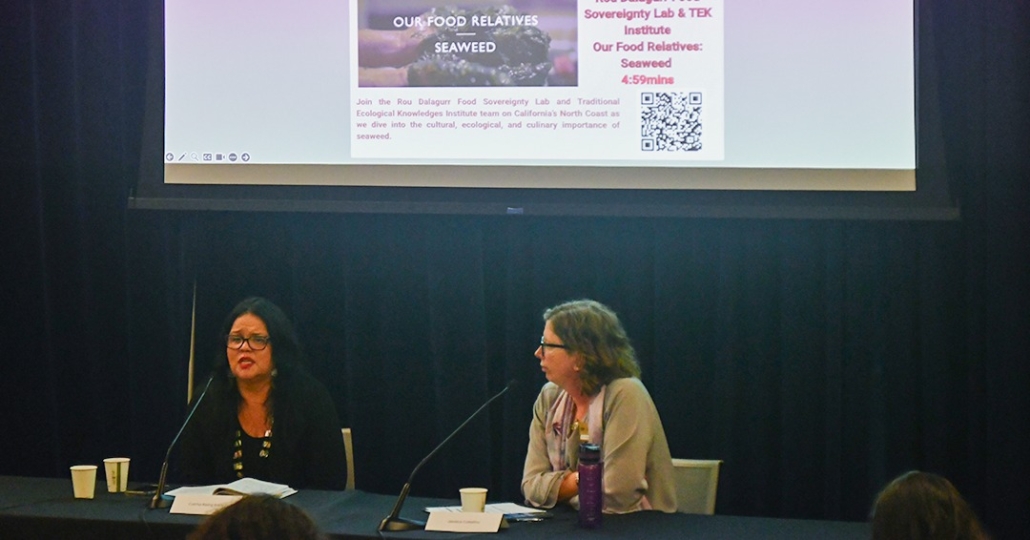
The final presentation of the day was from our keynote speaker, Dr. Cutcha Risling Baldy. I’ve always appreciated Dr. Risling Baldy as a wonderful storyteller and speaker. In person, her charisma and good heart were palpable, and she shared some powerful wisdom to get started: “Plants will conspire with you against colonialism”! She discussed the precariousness of settler-colonialism, continuously crumbling since the beginning. She noted that there is ease in decolonization because through it the world makes more sense. Her talk wove through so many of the themes and discussions we’d had throughout the day. Toward the end of the Q&A (moderated by CSW|Streisand Center Director Jessica Cattelino) Dr. Risling Baldy ended with a powerful reminder: the world changes so quickly and the results of our decolonizing efforts may not be for this lifetime.
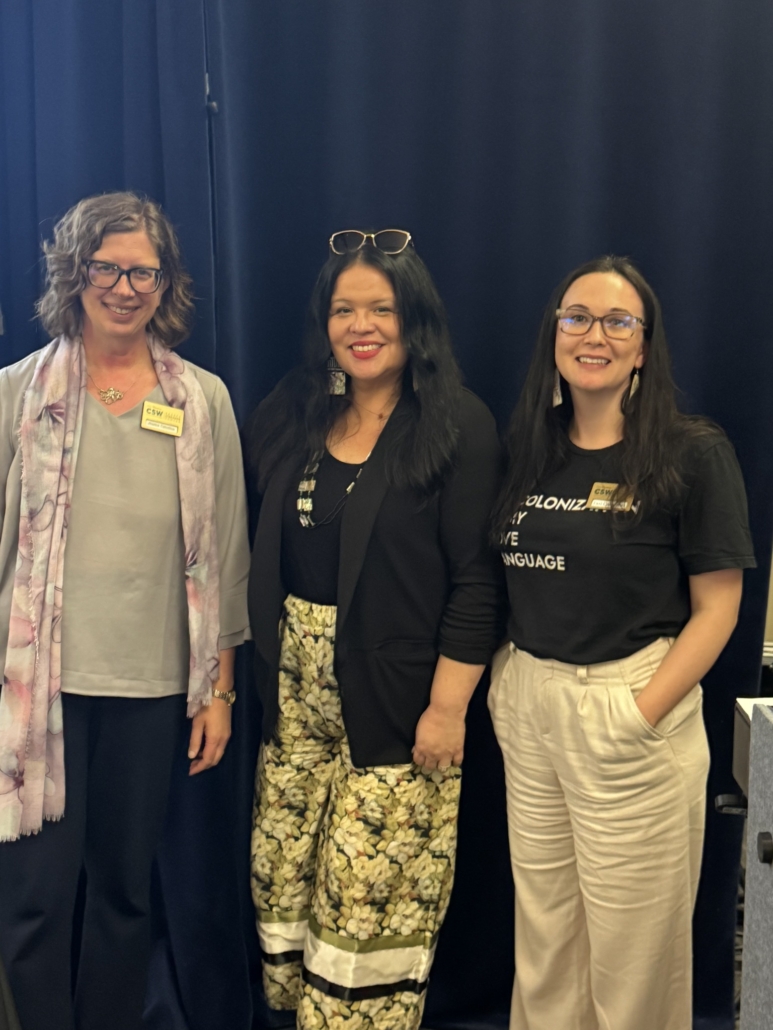
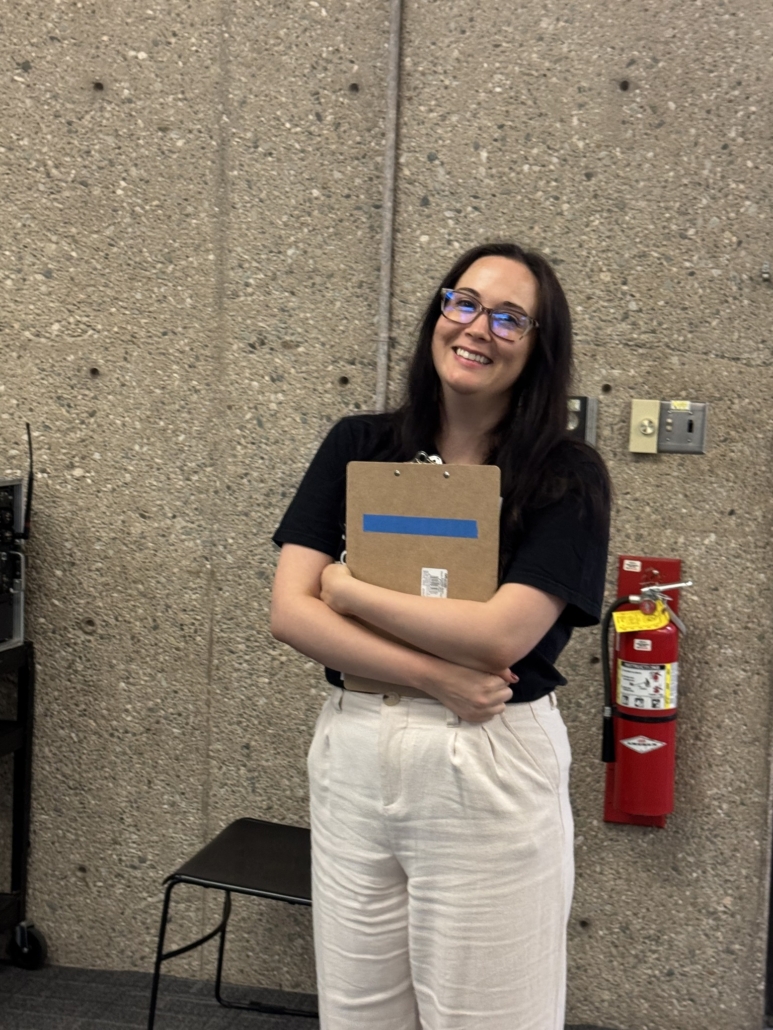
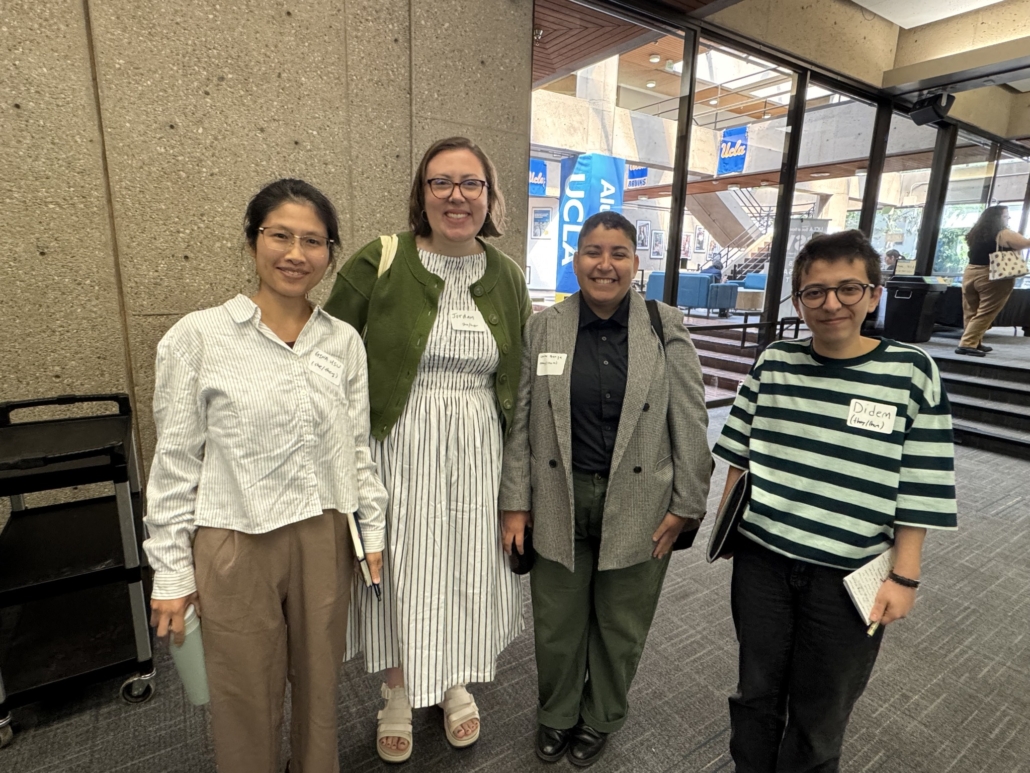
Conference Photos
Keynote Resources
Resources from Dr. Cutcha Risling Baldy’s Keynote at TG26 on April 17, 2026
- “What Good is a Land Acknowledgment?” (YouTube video, Cutcha Risling Baldy)
- LandBack Red Paper: California #LandBack Special Report (PDF; Cutcha Risling Baldy, Carrie Tully, and Karley Torres)
- LandBack Symposium (YouTube recordings)
- Fresh Banana Leaves: Healing Indigenous Landscapes through Indigenous Science (Book, Jennifer Hernandez)
- “Guarding Ancestral Ground with the Weyot” (YouTube video, PBS)
- “Decolonization is not a Metaphor” (PDF, Eve Tuck and K. Wayne Yang)
- Indigenous Land Stewardship (YouTube video, PBS)
- Rou Dalagurr Food Sovereignty Lab & Traditional Ecological Knowledges Institute (website, Cal Poly Humboldt)
- Rou Dalagurr Food Futures Magazine (Cal Poly Humboldt)
- Food Sovereignty Lab donation link
- Food Sovereignty Lab 2025 report
- Our Food Relatives Film Series: Acorn, Salmon, Seaweed (YouTube videos)
- Kelp Guardians Outcome Report 2024–2025 (PDF)